


























Mombasa Set to Strengthen Role as Kenya’s Crude Oil Export Hub
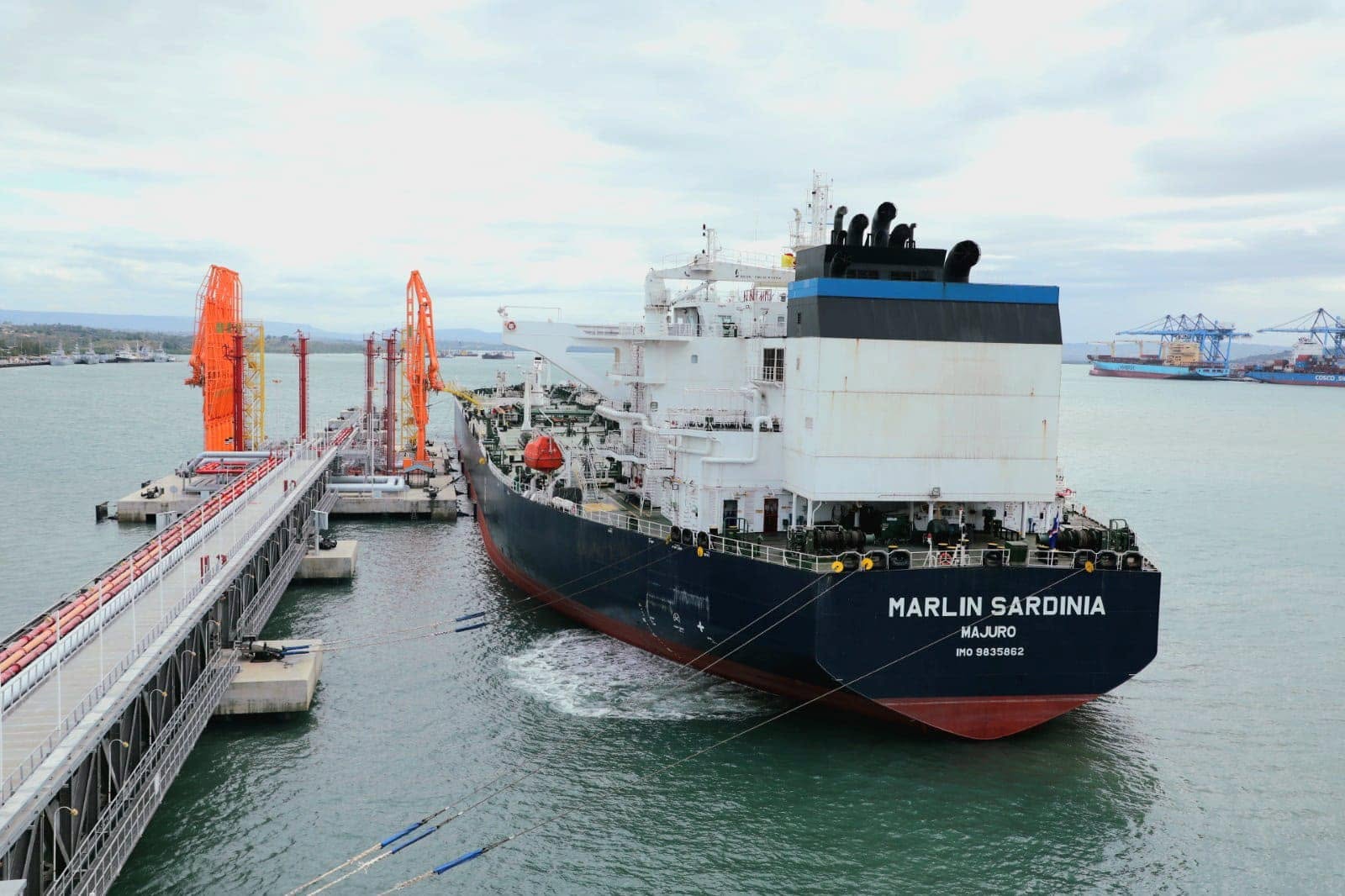
Kenya is strengthening Mombasa’s position as a crude oil export hub after Kenya Petroleum Refineries Limited (KPRL), a subsidiary of Kenya Pipeline Company (KPC), signed a 25-year crude oil storage and handling agreement with Gulf Energy E&P BV.
The agreement will give Gulf Energy access to KPRL’s facilities to receive, store, handle and deliver crude from the South Lokichar Basin for export through Kipevu Oil Terminal II (KOT II) at the Port of Mombasa.
KPC estimates the agreement could generate Sh93.68 billion ($725 million) in gross revenue over 25 years, equivalent to about Sh3.75 billion annually. The company, however, says this is an internal projection based on anticipated throughput and tariffs and is not guaranteed revenue.
The deal creates a long-term logistics link between Kenya’s oilfields in Turkana and international markets, with KPRL providing the storage and handling infrastructure and KOT II serving as the maritime export interface.
KOT II, operated by the Kenya Ports Authority (KPA), connects offshore tanker operations with KPC and KPRL’s onshore storage facilities. The terminal has four berths spanning 770 metres, supported by five subsea pipelines and six onshore pipelines.
Three operational berths are listed at about 300 metres each, with an allowable draft of 14.5 metres and capacity to handle vessels of up to 120,000 tonnes deadweight. The terminal was designed to accommodate three vessels simultaneously.
KOT II can handle several petroleum products, including crude oil, fuel oil, LPG, aviation fuel, diesel and petrol. Its systems have discharge flow rates of approximately 4 million to 4.5 million litres per hour. The pipelines connecting the offshore terminal to onshore facilities are buried about 26 metres beneath the seabed, allowing future dredging without disrupting the system.
The agreement is closely tied to development of the South Lokichar Basin, which Gulf Energy describes as Kenya’s first commercial oil development. The company, formerly Tullow Kenya BV, is advancing the project, creating demand for an efficient evacuation and export system.
The emerging logistics chain will run from South Lokichar oilfields to transportation infrastructure, KPRL storage facilities, KOT II and finally export tankers bound for international markets.
For KPC, the agreement also represents an opportunity to expand beyond pipeline transportation into storage, terminal handling and crude export services.
KPC has separately signed a revised operations and maintenance service-level agreement with KPA covering KOT II. The arrangement defines responsibilities for terminal operations, maintenance, performance monitoring and business continuity.
The reliability of this infrastructure will be critical because disruptions at the terminal could result in vessel delays, higher logistics costs and interruptions across the crude supply chain.
For Mombasa, the agreement could reinforce the port’s role as an energy gateway, linking Kenya’s inland oil production with global shipping markets.
However, the ultimate value of the deal will depend on actual crude production and throughput from South Lokichar. While the projected Sh93.68 billion revenue highlights the commercial potential of Kenya’s petroleum infrastructure, sustained production will determine whether that potential translates into actual export volumes and earnings.