


























Rwanda diversifies fuel import routes to boost energy security
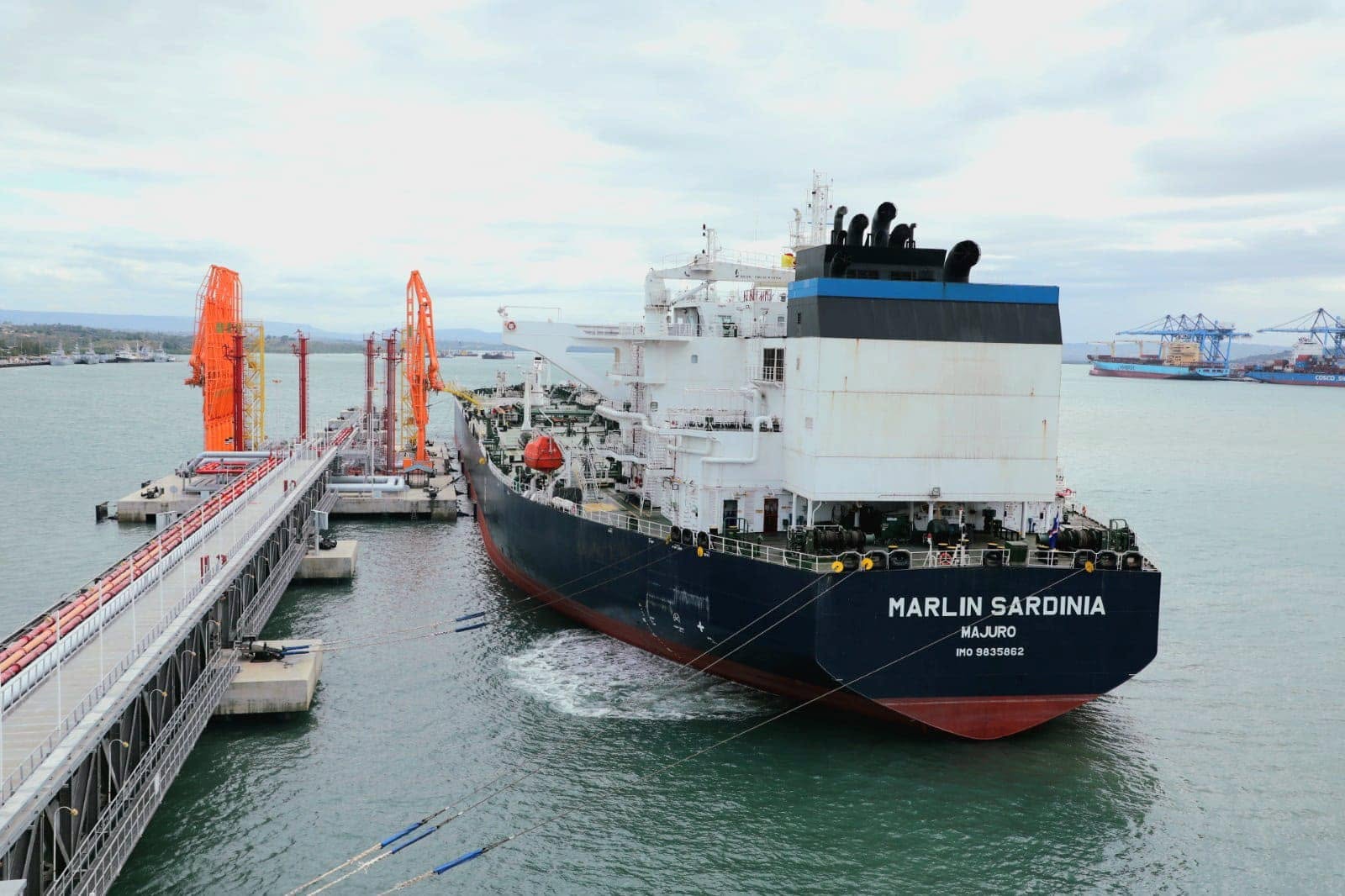
Rwanda is accelerating efforts to diversify its petroleum import routes as part of a broader strategy to strengthen energy security, lower supply risks, and support the country's growing economy through more reliable fuel imports.
The land-linked nation has signed a fresh agreement with Tanzania to import refined petroleum products through the Port of Tanga, while also concluding a government-to-government framework with Kenya to increase fuel shipments through the Port of Mombasa a week earlier.
The twin initiatives are expected to reduce dependence on a single transport corridor, ease logistical bottlenecks, and provide Rwanda with greater flexibility in responding to disruptions in global energy markets.
The agreement with Tanzania was signed between the Rwanda National Energy Company (RNEC) and Gulf Bulk Petroleum Tanzania Limited, with the support of Rwanda's Ministry of Trade and Industry. It seeks to increase petroleum imports through the Port of Tanga, complementing existing supplies transported via the Port of Dar es Salaam.
Officials said the partnership will strengthen the use of both the Central and Northern transport corridors while deepening regional cooperation in energy logistics and trade.
The latest deal comes only days after Rwanda and Kenya signed three agreements establishing a government-to-government framework for Rwanda-bound fuel imports through Mombasa.
The agreements comprise a Memorandum of Understanding, a tripartite agreement, and a transport and storage agreement involving the Kenya Pipeline Company (KPC) and Rwanda's Ministry of Trade and Industry.
Under the arrangement, a larger share of Rwanda's petroleum imports will be channeled through Mombasa using Kenya's pipeline, storage, and transport infrastructure.
The KPC said the first cargo under the new framework is expected to arrive at the Port of Mombasa between September 4 and September 6, marking the start of operations under the partnership.
Rwanda said the Kenya agreement would improve the security and continuity of petroleum supplies, make fuel imports more predictable, and eliminate logistical challenges that have occasionally disrupted deliveries.
The country currently imports more than 40 million litres of petroleum products every month through more than a dozen oil marketing companies. Diesel accounts for about 70 per cent of total imports, while petrol makes up the remaining 30 per cent.
Although most fuel enters Rwanda through the ports of Dar es Salaam and Mombasa, the refined petroleum products are sourced from international markets, with India and Saudi Arabia among the principal suppliers.
Officials say expanding the number of entry points for petroleum imports will reduce pressure on existing transport corridors, improve supply resilience, and strengthen Rwanda's capacity to withstand global market shocks.
The strategy is also expected to enhance regional integration by deepening trade links with both Kenya and Tanzania while supporting economic growth through a more stable and dependable fuel supply.