




















Kenya - Korea Maritime Agreement Expands Seafarer Opportunities Globally
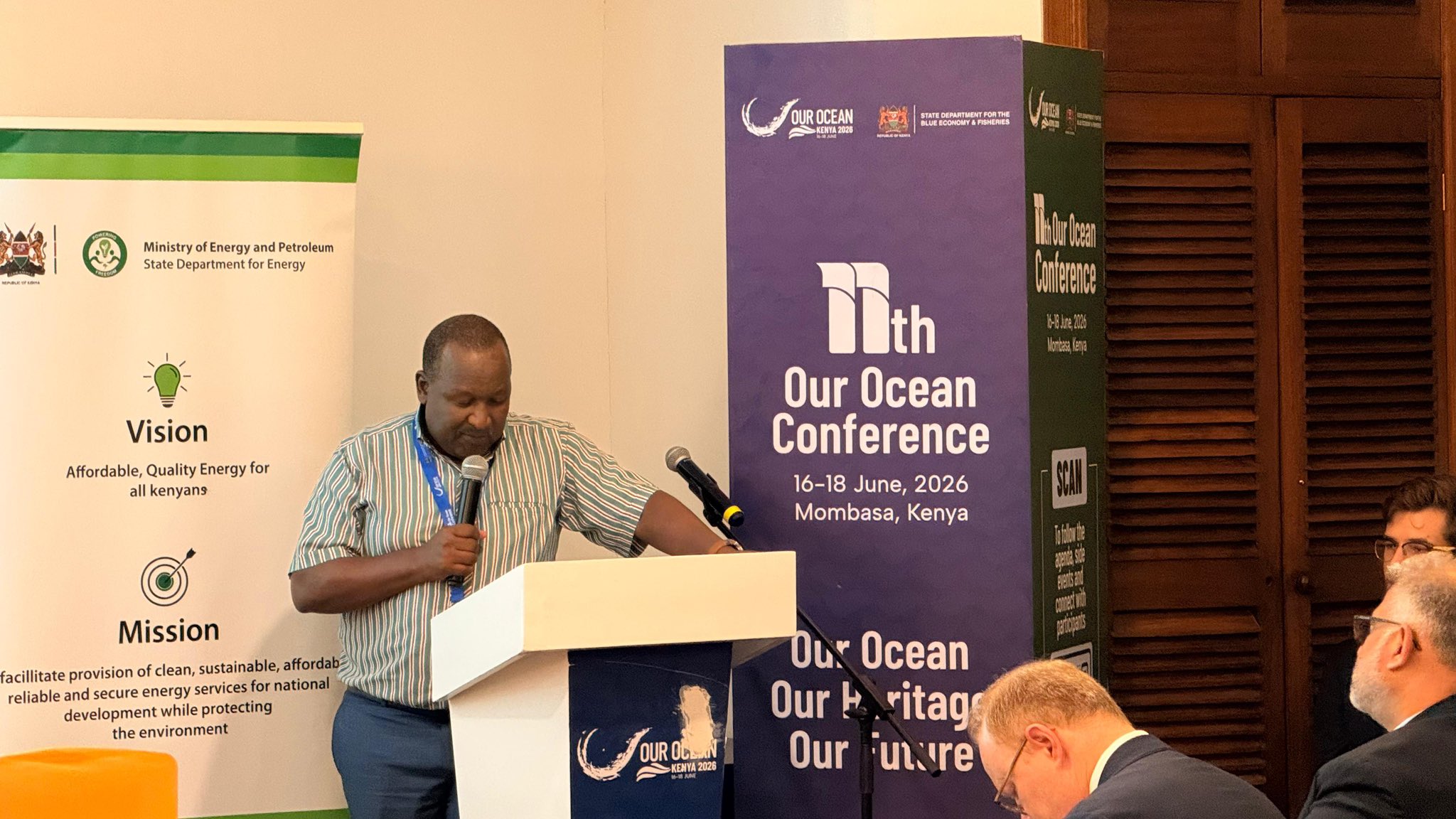
Kenya and the Republic of Korea have signed a landmark Memorandum of Understanding (MoU) on the mutual recognition of Certificates of Competency (CoC) for seafarers, marking a major step toward strengthening maritime training, expanding global employment opportunities, and deepening cooperation in the Blue Economy.
The agreement was formalized in Mombasa during the 11th Our Ocean Conference and establishes a structured framework for aligning maritime education, training, and certification systems with international standards under the International Convention on Standards of Training, Certification and Watchkeeping for Seafarers (STCW).
It enables mutual recognition of qualifications between the two countries, allowing certified seafarers to serve on both Kenyan- and Korean-flagged vessels.
The pact is expected to directly address long-standing challenges in Kenya’s maritime training ecosystem. These include limited sea-time exposure for cadets, inadequate access to advanced simulators, and restricted global recognition of locally issued certificates.
By aligning Kenya’s standards with South Korea’s highly advanced maritime system, the agreement is anticipated to improve curriculum relevance, strengthen practical training, and enhance the global employability of Kenyan seafarers.
Under the MoU, Kenyan seafarers who meet the required standards will be eligible to work aboard Korean vessels, while Korean seafarers may also serve on Kenyan ships.
The framework also provides for joint verification of certificates, exchange of technical expertise, and cooperation in maritime education, assessment, and quality assurance systems. These mechanisms are intended to enhance credibility, transparency, and trust in certification processes.
Kenya Maritime Authority (KMA) Director General CPA Omae Nyarandi signed the agreement on behalf of Kenya, witnessed by Mr. Aden Abdi Millah, Principal Secretary, State Department for Shipping and Maritime Affairs. On the Korean side, Director General Ms. Kim Hye-jung of the Shipping and Logistics Bureau signed the pact, witnessed by Deputy Minister Jeongho Seo.
Cabinet Secretary for Mining, Blue Economy and Maritime Affairs Hon. Ali Hassan Joho described the agreement as a transformative milestone for Kenya’s maritime sector. He noted that it reflects growing international confidence in Kenya’s training systems while helping bridge the gap between classroom learning and real-world shipping industry requirements.
According to him, the partnership will give Kenyan seafarers direct access to global shipping lines, modern operational environments, and structured career progression pathways.
Millah emphasized that the MoU resolves a critical bottleneck where many Kenyan cadets struggle to transition from training institutions into international sea service due to certification recognition barriers. By harmonizing standards with Korea, the agreement is expected to improve employability and smooth entry into global maritime labour markets.
Beyond training, the pact strengthens broader Kenya–Korea relations, which have long included cooperation in infrastructure, trade, ICT development, and technical capacity building supported through mechanisms such as the Economic Development Cooperation Fund (EDCF).
In the maritime sector, collaboration has previously extended to fisheries development, port modernization discussions, and vocational training initiatives.
The new agreement marks a shift from general development cooperation to targeted skills transfer and labour market integration within the global shipping industry. Analysts view it as a strategic move positioning Kenya as an emerging maritime hub in the Western Indian Ocean region, with increased potential to integrate into global shipping networks while exporting skilled labour.