


























Tanzania Selected to Host Maritime University for Eastern, Southern and Northern Africa
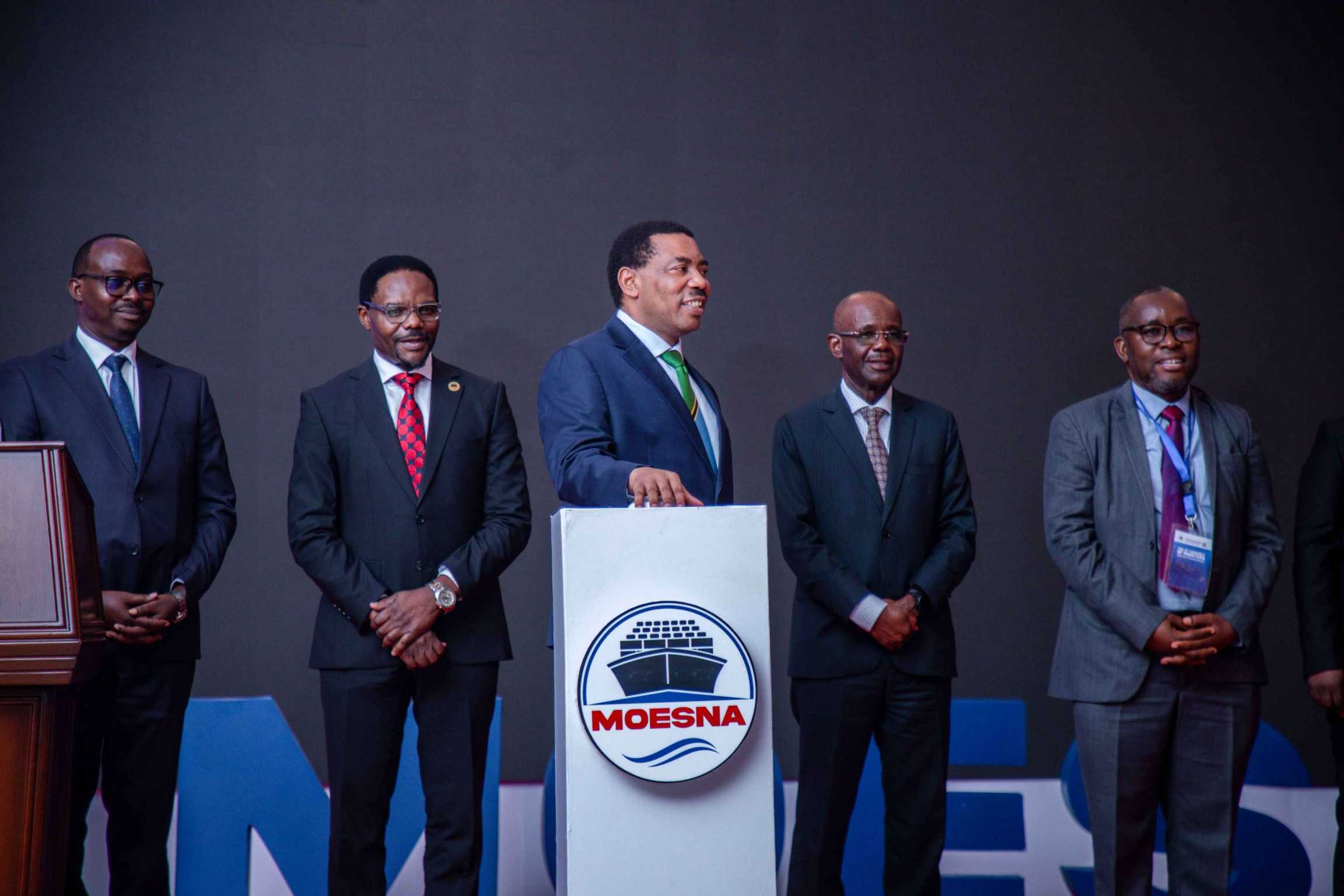
MOESNA Assembly approves establishment of MUESNA to address maritime skills shortages, harmonize training standards and strengthen regional shipping capacity.
The 10th Assembly of Ministers of the Maritime Organization for Eastern, Southern and Northern Africa (MOESNA) has approved the establishment of the Maritime University for Eastern, Southern and Northern Africa (MUESNA) in Tanzania, marking a significant step towards strengthening maritime education, professional training and shipping capacity across the region.
The institution will operate under the distinct name of MUESNA, reflecting its regional mandate to serve countries in Eastern, Southern and Northern Africa.
The university is expected to expand access to specialized maritime education, harmonize training standards and develop the skilled workforce required to support shipping, ports, logistics, maritime administration and related industries.
“The RMU will address critical maritime skills gaps, harmonize training standards and strengthen practical skills development, building a skilled workforce to support a more competitive and sustainable maritime industry across the region,” said Prof. Anish Hebbar of the World Maritime University (WMU), the lead consultant for the feasibility study.
Tanzania was selected to host MUESNA following a feasibility assessment that examined existing maritime training institutions, regional skills requirements, infrastructure gaps and the capacity of potential host countries to support the proposed institution.
The decision, reached at the Assembly held in Dar es Salaam on October 15, 2026, advances MOESNA's efforts to establish a regional centre for maritime education, research, professional development and harmonization of training standards.
“The RMU will strengthen Africa’s maritime sovereignty by developing skilled professionals, harmonizing training and advancing regional integration for a more competitive maritime economy,” said Kassim Kaziba Mpaata, Secretary-General of MOESNA.
The feasibility study identified approximately 731 higher education institutions across the region, but only 21 recognized institutions offering maritime education and training.
The findings highlight a substantial gap in specialized maritime training capacity despite the wider availability of higher education institutions.
The study also identified deficiencies in maritime simulation facilities, practical workshops, sea-time training opportunities and partnerships between educational institutions and the maritime industry.
These shortcomings have constrained the development of technical competencies required by shipping companies, port operators, maritime administrations, logistics providers and other organizations involved in the maritime economy.
MUESNA is expected to help address these challenges by providing a coordinated regional platform for maritime education, professional training, research and skills development.
The institution will also support the harmonization of academic programmes and professional qualifications, helping participating countries develop a workforce equipped to meet regional and international maritime industry requirements.
The feasibility assessment benchmarked established maritime education institutions, including the Dar es Salaam Maritime Institute in Tanzania, Bandari Maritime Academy in Kenya, the Regional Maritime University in Ghana and the World Maritime University in Sweden.
The benchmarking exercise examined institutional arrangements, academic programmes, practical training infrastructure, financing mechanisms and opportunities for collaboration with the maritime industry.
The feasibility study recommended that the selection of a host country be guided by objective criteria, including existing maritime education and training capacity, infrastructure requirements, regional skills needs and institutional readiness.
Other considerations included the availability of specialized training facilities, opportunities for practical instruction and sea-time experience, institutional capacity and the ability to support a university serving the wider region.
Government commitment, sustainable financing, industry partnerships and the capacity to implement harmonized academic quality assurance standards were also identified as important factors in ensuring the institution's long-term success.
Tanzania's selection provides the proposed university with a host country from which its regional programmes, institutional structures and partnerships can be developed.
However, the university's establishment will require an appropriate legal and governance framework supported by political, legislative and financial commitments from participating states.
Its regional mandate will also depend on cooperation among governments, maritime administrations, training institutions, shipping companies, port operators and development partners.
To strengthen practical instruction, the feasibility study recommended establishing a Regional Maritime Simulation Centre, acquiring or securing access to a training-cum-trading vessel and developing a network of distributed Centres of Excellence.
The proposed simulation centre would provide specialized facilities for practical instruction in maritime operations, navigation and other technical disciplines.
A training-cum-trading vessel would provide students with opportunities to acquire essential sea-time experience and develop practical competencies required for professional maritime qualifications.
The proposed Centres of Excellence would complement the university's main campus by expanding access to specialized training, research and technical expertise across participating countries.
This distributed approach is intended to ensure that the benefits of MUESNA extend beyond the host country and strengthen existing maritime education institutions throughout the region.
The study also recommended harmonizing academic quality assurance systems and maritime training standards to promote consistent and credible qualifications that respond to industry requirements.
Partnerships with shipping companies, port operators, maritime academies, universities and development partners will be important in supporting the institution's academic programmes, training infrastructure and financial sustainability.
The feasibility study recommended establishing a MOESNA task force to coordinate the implementation, governance and financing arrangements for MUESNA.