


























Assembly of Ministers Endorses Framework to Strengthen Regional Shipping
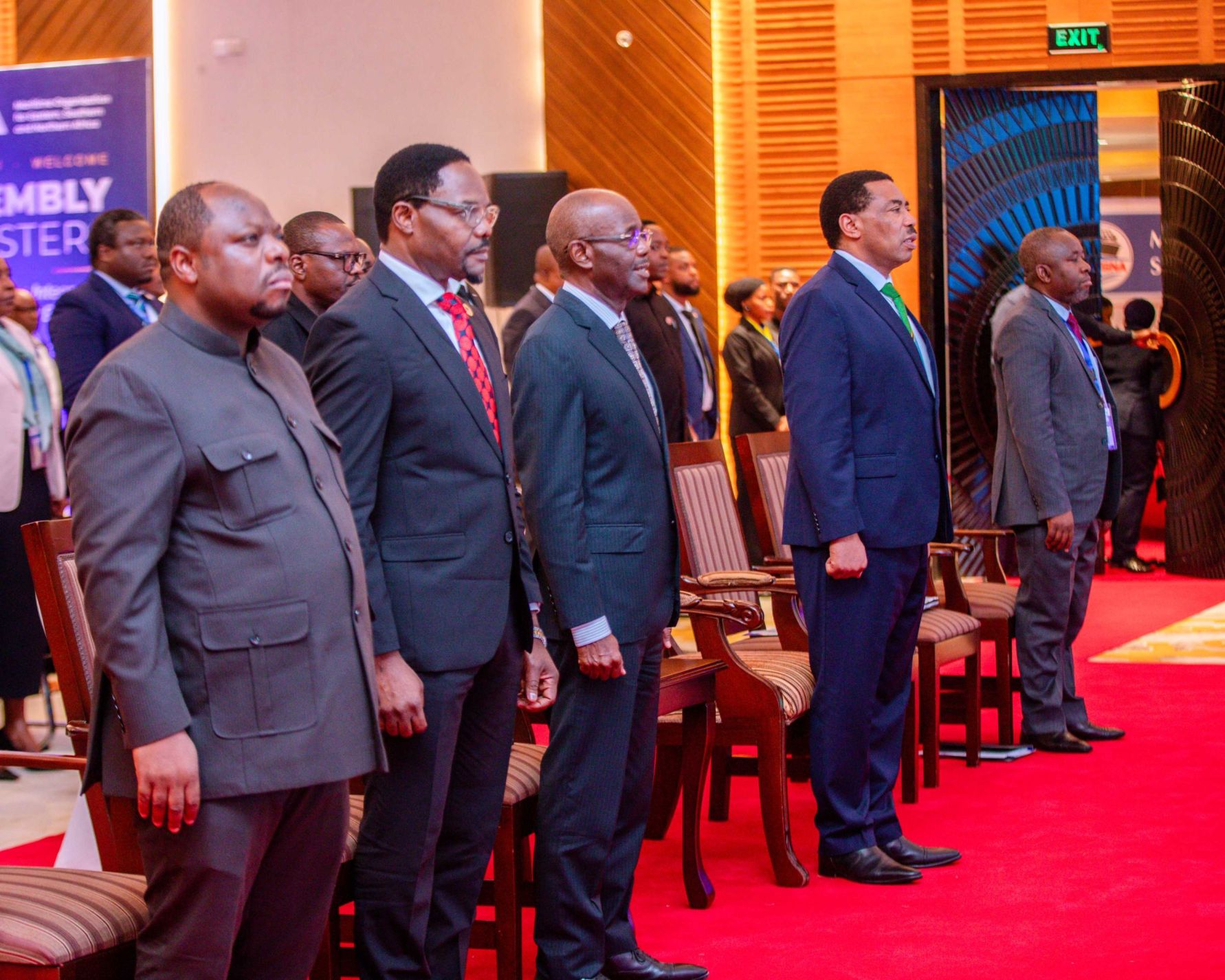
Assembly endorses plans for coordinated regional shipping services and a harmonized maritime framework to reduce trade costs, strengthen connectivity and build indigenous shipping capacity across Eastern, Southern and Northern Africa.
The Maritime Organisation for Eastern, Southern and Northern Africa (MOESNA) has approved in principle the establishment of a Regional Shipping Lines Network and a Regional Maritime Cabotage Protocol in a major step towards strengthening maritime connectivity and expanding intra-African trade.
The decisions, taken at the 10th Assembly of Ministers in Dar es Salaam, Tanzania, are aimed at addressing longstanding challenges that have limited the development of regional shipping services, increased freight costs and left much of the region's maritime trade dependent on foreign-owned and operated shipping lines.
The Assembly endorsed the findings and recommendations of validated studies on the two initiatives, recognizing their potential to improve regional transport links, attract investment in indigenous shipping capacity and enable countries to capture greater economic benefits from their maritime resources.
Despite its strategic location, extensive coastline, major seaports and significant trade potential, the Eastern, Southern and Northern Africa (ESNA) region continues to face limited direct shipping connections between Member States.
The challenges include high freight and logistics costs, reliance on transshipment outside the region, fragmented maritime regulations and inadequate indigenous fleet capacity. These constraints increase the cost of moving goods, weaken supply-chain efficiency and contribute to the outflow of freight earnings to shipping operators based outside the region.
The proposed Regional Shipping Lines Network is expected to provide a coordinated framework for developing shipping services that respond to the cargo volumes, trade patterns and connectivity needs of Member States.
By improving links between regional ports and trade corridors, the initiative is intended to facilitate the movement of goods, support regional value chains and strengthen the competitiveness of African businesses in international markets.
The network could also create opportunities for investment and economic growth in industrialization, tourism, fisheries, offshore energy and other sectors of the Blue Economy.
The Assembly recognized that establishing a sustainable regional shipping network would require an appropriate public-private partnership model, supported by sound institutional arrangements, enabling legal frameworks and investment mobilization.
The proposed services will need to be commercially viable and aligned with existing transport corridors and multi modal logistics systems, ensuring that shipping operations complement road, rail and inland-waterway transport.
The Secretariat is expected to work with Member States, regional economic communities, development partners, financial institutions and private-sector stakeholders to mobilize the resources and expertise required to advance the initiative.
The Assembly approved the progressive implementation of the network, taking into account the operational requirements of Member States, investment needs and the commercial sustainability of the proposed services.
Alongside the shipping network, the Assembly approved the draft Regional Maritime Cabotage Protocol as a proposed framework for harmonizing relevant maritime transport arrangements across Member States.
Cabotage generally refers to the movement of passengers or cargo between ports within the same country or, in a regional framework, between ports in participating countries under agreed rules governing coastal and regional shipping.
Currently, differences in national maritime laws, vessel registration systems, licensing procedures and market-access requirements create barriers for shipping operators seeking to provide services across national borders.
The absence of a harmonized framework has limited the movement of vessels, increased operational complexity and made it more difficult to establish integrated regional shipping services.
The proposed Protocol seeks to address these challenges by providing a basis for progressively aligning legal, regulatory and institutional arrangements, facilitating market access for eligible regional shipping operators and creating a more predictable operating environment.
Once the required technical and legal processes have been completed and the Protocol has gone through the applicable adoption and national procedures, it is expected to support investment in indigenous shipping capacity and improve the competitiveness of regional maritime transport.
The Assembly emphasized that the shipping network and the Cabotage Protocol should be implemented together because the success of one will depend partly on the effectiveness of the other.
While the network would provide the framework for developing coordinated shipping services, the Protocol would help establish the regulatory conditions needed to facilitate their operations across participating countries.
To move the initiatives from approval to implementation, the Assembly directed the MOESNA Secretary-General to coordinate the development of the necessary implementation instruments and roadmap.
The proposed measures include internationalizing a Regional Cabotage Committee and establishing a Regional Shipping and Cabotage Project Implementation Unit within the Secretariat, subject to the applicable institutional and financial approvals.
Member States were also called upon to progressively undertake the legal, regulatory, financial and institutional reforms required to implement the network and Protocol in accordance with their respective national procedures and obligations.
The Assembly requested the Common Market for Eastern and Southern Africa (COMESA) to continue providing institutional, technical and financial support to MOESNA in advancing the recommendations of the validated studies.
The Secretariat was further encouraged to strengthen collaboration with regional economic communities, development partners, financial institutions and private-sector stakeholders to mobilize resources and promote public-private partnerships.
MOESNA will monitor progress and report to its relevant policy organs on implementation, challenges and any additional measures required to advance the two initiatives.
In considering the evaluation, the Assembly recognized the contributions and potential of the interested Member States, particularly in inland-waterway training, multimodal transport and regional connectivity.