























MOESNA Welcomes Four New Member States as Several Others Advance Accession
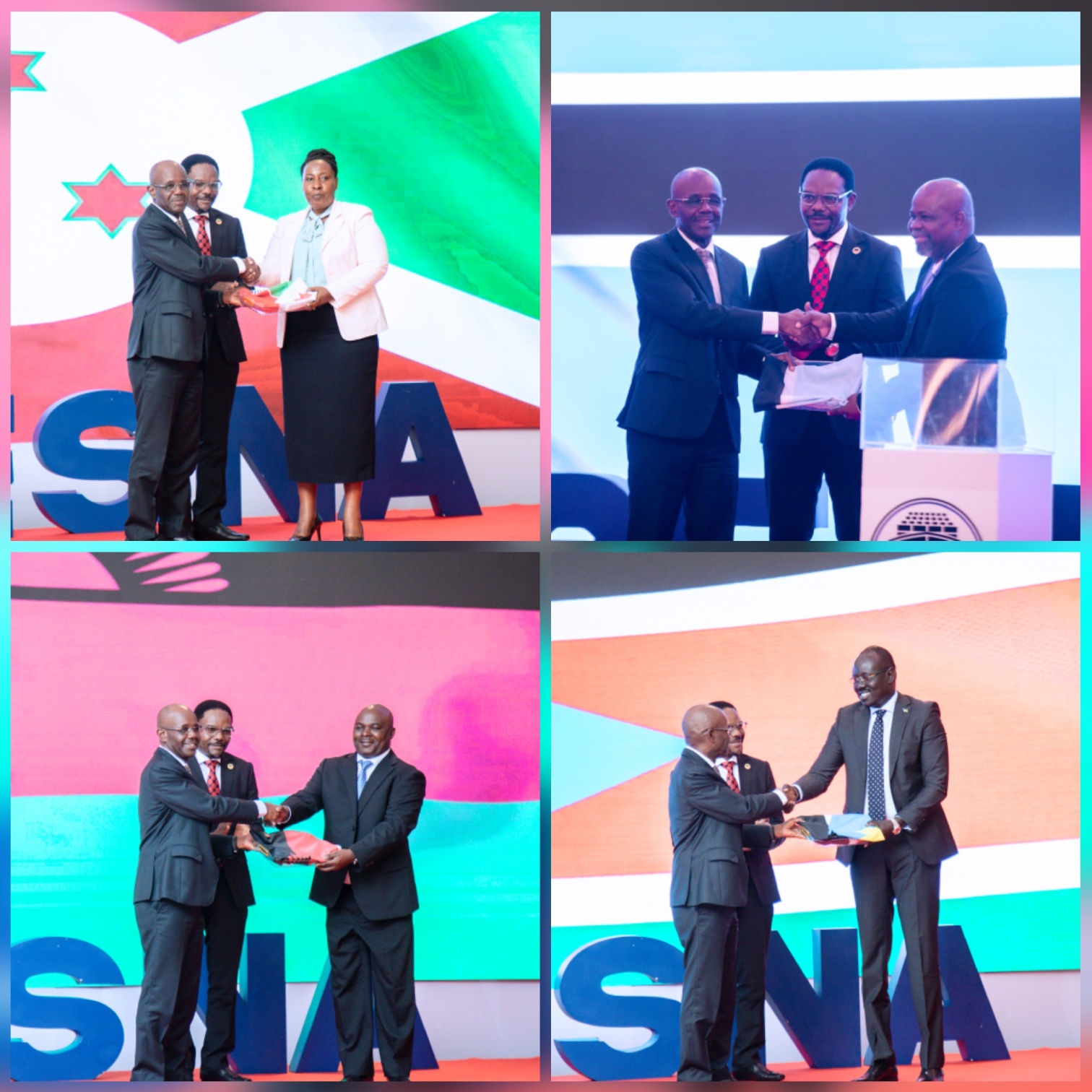
The Maritime Organisation for Eastern, Southern and Northern Africa (MOESNA) has welcomed four new Member States, while several other regional states have reported progress in their accession processes, reflecting growing interest in regional maritime cooperation.
The development underscores the growing recognition of the importance of collective action in strengthening maritime transport, improving trade connectivity and addressing common challenges affecting shipping and logistics across Eastern, Southern and Northern Africa.
The four countries formally welcomed into the organization are Botswana, Burundi, Malawi and South Sudan, whose admission and participation have expanded MOESNA’s membership since its Ninth Assembly of Ministers.
At its 10th Assembly of Ministers, held in Dar es Salaam, Tanzania, on 15 October 2026, the organization acknowledged progress in implementing decisions from its previous meeting and called for outstanding actions to be completed within clearly defined timelines.
The Assembly emphasized the need to assign responsibilities, establish realistic deadlines and maintain regular reporting to ensure that agreed decisions translate into measurable benefits for Member States. It further noted that broader and more representative membership would strengthen the organization’s institutional capacity, legitimacy and collective voice in regional and international maritime affairs.
Expanded membership is expected to create opportunities for countries to share expertise, pool resources and harmonize approaches to maritime transport, shipping services and inland logistics. These efforts are intended to improve connections between ports, transport corridors and markets, supporting trade among countries with different geographical and economic circumstances.
MOESNA reiterated that membership remains open to African countries whose maritime trade and economic interests are connected to the Indian Ocean and adjoining maritime spaces. The organization encouraged existing members to maintain high-level engagement with prospective Member States and support the national procedures required for accession.
During the Assembly, several other regional states that attended the meeting reported positive progress with their accession processes, with each indicating different stages of advancement in fulfilling the relevant national legal, administrative and institutional requirements. The updates reflected continued engagement by prospective members and their commitment to strengthening regional maritime cooperation through participation in MOESNA.
The Assembly welcomed the reported progress and underscored the importance of sustained engagement between the MOESNA Secretariat and national authorities to facilitate accession and address outstanding requirements. It encouraged continued collaboration to ensure that interested states can complete their respective processes in accordance with their national procedures.
The membership expansion comes as African countries seek stronger regional cooperation to improve maritime transport capacity, facilitate trade and increase their participation in shipping and related economic activities.
For coastal countries, regional collaboration offers opportunities to strengthen shipping services, coordinate maritime policies and improve the utilization of port infrastructure. Land-linked countries, meanwhile, depend on efficient connections to seaports through regional transport corridors to access international markets.
MOESNA’s expanding membership provides a platform through which these diverse interests can be addressed through shared priorities and coordinated regional initiatives.
The organization is pursuing several programmes aimed at strengthening maritime connectivity, developing indigenous shipping capacity and improving the movement of goods between Member States.
Among the initiatives considered by the 10th Assembly were the proposed Regional Shipping Lines Network and Regional Maritime Cabotage Protocol, which are intended to improve intra-regional shipping services and reduce dependence on foreign-owned shipping lines.
The Assembly also considered initiatives to strengthen maritime education and professional training, including the establishment of the Maritime University for Eastern, Southern and Northern Africa (MUESNA) in Tanzania and the harmonization of coxswain training standards.
These initiatives are expected to benefit from wider participation by Member States through shared technical expertise, coordinated policies and stronger institutional cooperation.
However, the Assembly recognized that expanding membership must be accompanied by effective implementation of agreed programmes and decisions. It therefore called for outstanding resolutions from previous meetings to be pursued through clear responsibilities, realistic timelines and regular progress reporting.
The emphasis on implementation reflects the organization’s commitment to ensuring that regional cooperation delivers practical benefits to participating countries, particularly in maritime transport, logistics, trade facilitation and professional skills development.
MOESNA continues to strengthen cooperation among countries whose trade and economic interests are connected to regional maritime routes, with the broader objective of improving connectivity and developing a more integrated and competitive maritime sector.
With Botswana, Burundi, Malawi and South Sudan formally welcomed into the organization, alongside encouraging progress reported by several other regional states pursuing accession, MOESNA is broadening the platform through which African countries can advance common maritime, transport and trade priorities.