


























Dar es Salaam Prepares to Host Ocean Summit
Tanzania will host the 12th Nairobi Convention Conference of the Parties (COP12) from October 6 to 9 at the Julius Nyerere International Convention Centre (JNICC) in Dar es Salaam, placing the country at the centre of regional efforts to strengthen marine conservation while unlocking the vast economic potential of the Blue Economy.
The high-level meeting comes as countries bordering the Western Indian Ocean seek stronger cooperation to address growing environmental threats while harnessing oceans and coastal resources as engines of sustainable economic growth.
The Nairobi Convention, established in 1985 under the United Nations Environment Programme (UNEP), is the only legally binding regional agreement dedicated to the protection, management, and sustainable development of the marine and coastal environment of the Western Indian Ocean.
It entered into force in 1996 and now brings together 10 contracting parties: Comoros, France (Réunion), Kenya, Madagascar, Mauritius, Mozambique, Seychelles, Somalia, South Africa, and Tanzania.
Held periodically, the Conference of the Parties is the Convention's highest decision-making forum, bringing together ministers, policymakers, scientists, environmental experts, development partners, and the private sector to review progress, adopt new policies, and coordinate regional action on emerging marine and coastal challenges.
This year's meeting carries added significance as it marks the Convention's 40th anniversary under the theme, "Towards a Sustainable Blue Economy in the Western Indian Ocean for People and Nature: A 40-Year Journey."
The anniversary provides an opportunity to reflect on four decades of regional collaboration in protecting one of the world's most ecologically rich and economically important marine ecosystems.
Announcing the conference in Tanga, Tanzania's Deputy Minister of State in the Vice-President's Office (Union and Environment), Mr Reuben Kwagilwa, said hosting the event reflects growing international confidence in Tanzania's leadership in sustainable management of marine and coastal resources.
He noted that Tanzania secured the hosting rights after assuming the chairmanship of the Nairobi Convention Executive Committee during the 11th Conference of the Parties held in Madagascar in 2024.
The conference is expected to attract hundreds of delegates, including ministers, senior government officials, scientists, investors, international organizations and development partners from across Africa and beyond.
Discussions will focus on strengthening ocean governance and accelerating the Blue Economy, which promotes the sustainable use of oceans, seas, lakes, and coastal resources to generate economic growth while preserving ecosystems for future generations.
Key sectors expected to dominate discussions include fisheries, aquaculture, maritime transport, coastal tourism, renewable marine energy, marine biotechnology, seabed minerals, and emerging carbon markets.
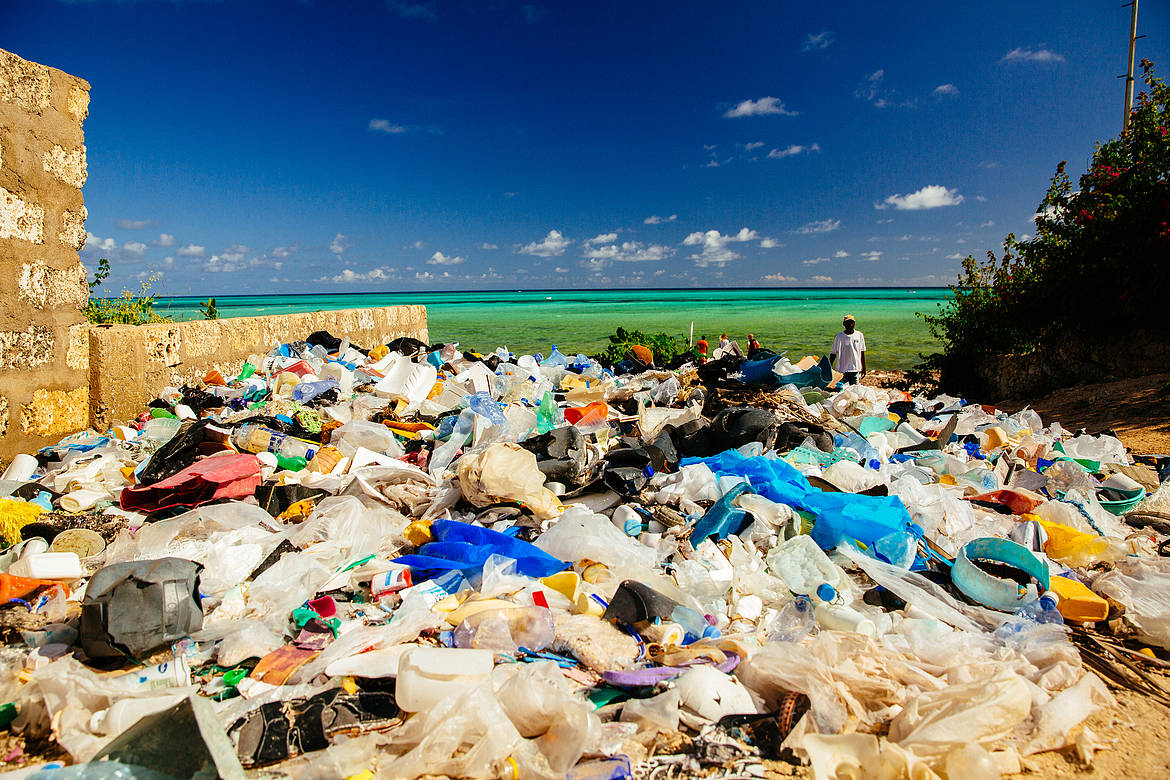
The timing of COP12 is particularly important as countries in the Western Indian Ocean face mounting challenges from climate change, rising sea levels, marine pollution, biodiversity loss, coastal erosion, and overfishing, including illegal, unreported, and unregulated (IUU) fishing. At the same time, the rapid expansion of maritime trade is increasing pressure on fragile marine ecosystems.
The conference is expected to provide a platform for governments, researchers, civil society, and the private sector to develop coordinated regional responses that balance environmental protection with economic development.
Beyond conservation, COP12 is also expected to deliver tangible economic benefits. The meeting will showcase investment opportunities in sustainable marine industries, encourage technology transfer, and strengthen partnerships aimed at increasing value addition from marine resources.
Enhanced regional cooperation is also expected to improve management of shared marine resources, support sustainable maritime trade, and strengthen the livelihoods of coastal communities whose economies depend on healthy oceans.
Mr Kwagilwa said the conference will reinforce collective efforts to combat marine pollution, particularly plastic waste, protect biodiversity, and build resilience against climate change.