


























Record Mombasa Cargo Volumes Spur Private Investment Drive
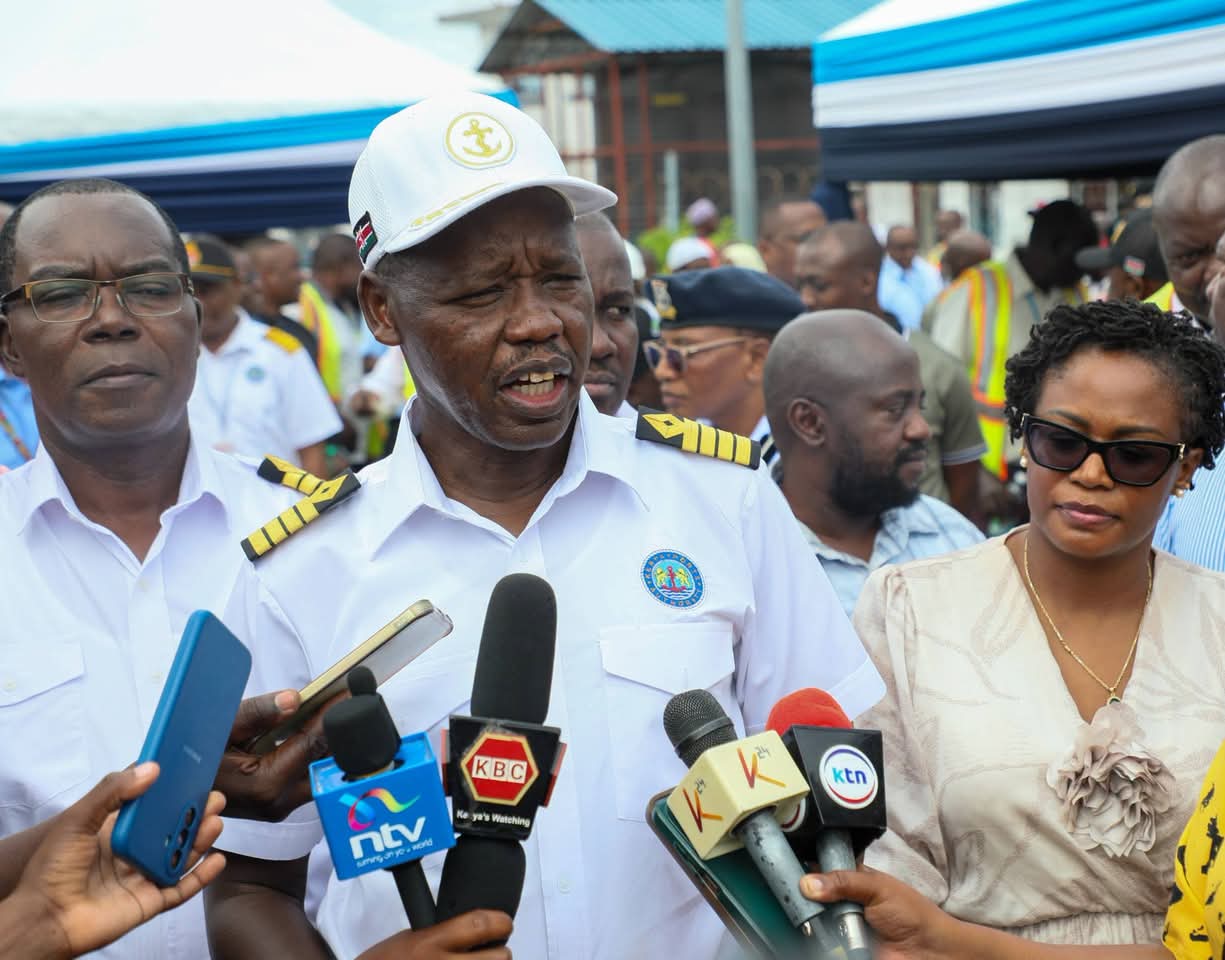
Kenya has opened the way for private investors to take part in the development and operation of key facilities at the ports of Mombasa and Lamu, as the country moves to attract billions of shillings in capital and strengthen its position as a regional maritime gateway.
The Public-Private Partnership (PPP) Committee has approved feasibility studies for Mombasa Berths 11–14, Mombasa Container Terminal 1, Lamu Container Terminal and the Lamu Special Economic Zone, moving the projects into the procurement stage.
PPP Director-General Kefa Seda said market engagement with potential investors for phase 1 is expected to begin this month, paving the way for the Kenya Ports Authority (KPA) to commence the first phase of the planned transactions.
The programme will involve three separate concessions. The first will cover Mombasa Berths 11–14, the second Mombasa Container Terminal 1, while the third will combine Lamu Container Terminal with the Lamu Special Economic Zone.
The government says the transactions are part of a broader plan to transform Mombasa and Lamu into landlord ports, under which the State retains ownership of land and strategic infrastructure while private operators invest in and manage terminals.
“The approval moves these strategic port assets from feasibility into the procurement stage under the PPP framework,” Mr Seda said.
The move comes at a time when Kenya's maritime gateway is experiencing rapid growth in cargo volumes, putting pressure on existing infrastructure and increasing the urgency of expanding handling capacity.
Mombasa handled a record 45.45 million tonnes of cargo in 2025, up from 40.99 million tonnes in 2024, an increase of 10.9 per cent. Container traffic also rose 5.5 per cent to 2.11 million twenty-foot equivalent units (TEUs), from two million TEUs in 2024.
Transit cargo, which is particularly important to Kenya's regional logistics ambitions, increased by 19.5 per cent to 15.88 million tonnes from 13.29 million tonnes.
The growth has been driven partly by rising demand from land-linked markets served through the Northern Corridor, including Uganda, Rwanda, Burundi, South Sudan, eastern Democratic Republic of Congo and parts of Tanzania.
The surge is strengthening the case for bringing private capital and specialist terminal operators into port development as Kenya seeks to avoid capacity constraints that could undermine Mombasa's competitiveness.
Berths 11-14 currently have an estimated container-handling capacity of about 300,000 TEUs annually, with plans to increase yard and handling capacity to about 900,000 TEUs.
Container Terminal 1, comprising Berths 16–18, has an annual capacity of about 962,000 TEUs. KPA is also developing Berth 19B as part of efforts to expand the terminal's capacity.
Lamu is also being positioned as an alternative and complementary gateway. The proposed concession covering the Lamu Container Terminal and Lamu Special Economic Zone is intended to create an integrated port, industrial and logistics platform capable of attracting manufacturing and distribution businesses.
The move mirrors a wider shift across East Africa, where governments are increasingly using concessions and private-sector participation to modernize ports and compete for regional transit cargo.
In Tanzania, the government has already given Dubai-based DP World a 30-year concession to operate and modernize parts of the Port of Dar es Salaam. The Dar es Salaam arrangement has subsequently seen DP World operate Terminal 1 under a 30-year Build, Operate and Transfer arrangement, with the company saying it has committed more than $500 million to modernize terminal infrastructure and information technology.
The investment is taking place alongside major public infrastructure upgrades at Dar es Salaam. The port's cargo throughput has increased sharply, rising from 14 million tonnes in 2015/16 to 32.8 million tonnes in 2025/26, according to the World Bank-backed Dar es Salaam Maritime Gateway Project.