


























Tanga Port Expansion Positions Tanzania for Bigger Regional Cargo Volumes
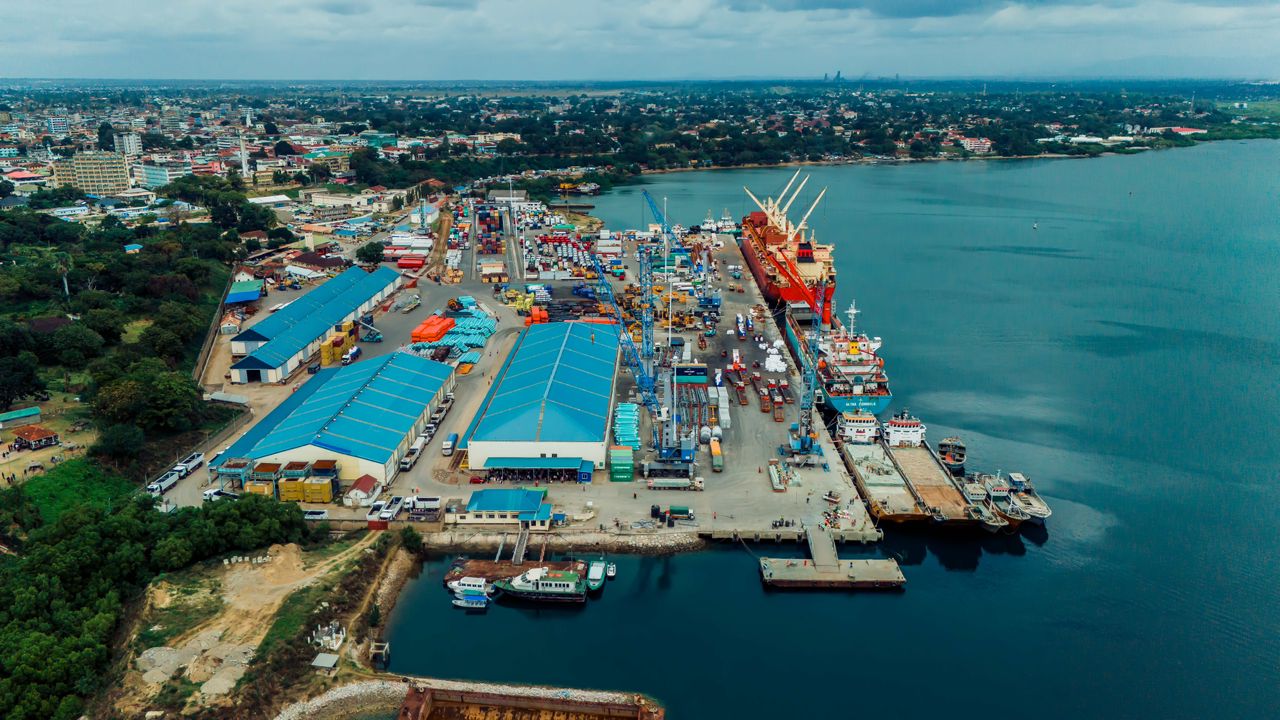
Tanzania’s Port of Tanga is emerging as a stronger regional trade gateway after cargo volumes and vessel traffic surged beyond expectations, reinforcing the case for a major expansion of the northern port.
The port handled approximately 1.7 million tonnes of cargo in the 2025/26 financial year, exceeding its target of 1,643,363 tonnes, according to Tanga Regional Commissioner Batilda Burian.
Vessel traffic also significantly outperformed projections. The port had been expected to receive 363 vessels but ultimately handled 616 vessels, underscoring rising demand for its services.
The unexpected growth comes as Tanzania accelerates investment in Tanga’s infrastructure, including channel dredging and the construction of additional berths, in an effort to position the facility to handle much larger volumes of domestic and regional cargo.
At the centre of the modernization programme is the dredging of the port channel from about three metres to 13 metres. The deeper channel is expected to enable larger vessels to call at Tanga and substantially increase its cargo-handling capacity.
Tanzania has set a target of increasing Tanga Port’s annual cargo throughput to 4.5 million tonnes by 2030. This would represent more than double the approximately 1.7 million tonnes handled in the latest financial year.
The Tanzania Ports Authority (TPA) is also planning a major expansion of berthing facilities. The authority plans to construct three new berths with a combined length of 900 metres, beginning with an initial 300-metre berth.
Tanga Port Manager Salehe Mbega disclosed the plans during a briefing to the Parliamentary Standing Committee on Infrastructure during its inspection of the facility early this year.
He said the additional berths would expand the port’s operational capacity, improve vessel turnaround times and enable the facility to handle larger cargo volumes more efficiently.
“The construction of the new berths will expand Tanga Port’s operational capacity and enhance service delivery, ensuring that the port can accommodate more vessels and larger cargo volumes,” Mbega said.
He added that the expansion would contribute to increased trade flows and higher revenue for the national economy.
The latest investment is part of a broader government strategy to modernize Tanzania’s maritime infrastructure and strengthen the country’s position in regional logistics.
The expansion comes as competition intensifies among East African ports, with facilities including the Port of Mombasa and Dar es Salaam investing in infrastructure and technology to attract a larger share of regional cargo.
For Tanga, the combination of rising demand and increased capacity could significantly enhance its role in serving northern Tanzania and neighbouring markets.
The port’s improved infrastructure could also help lower logistics costs, facilitate the movement of agricultural and manufactured goods and support mineral exports.
With cargo volumes already exceeding expectations, Tanga's next challenge is to sustain the momentum and turn planned infrastructure investments into higher throughput and more efficient regional supply chains.