


























Dar es Salaam Port Records Strong Cargo Growth as Terminal Efficiency Improves
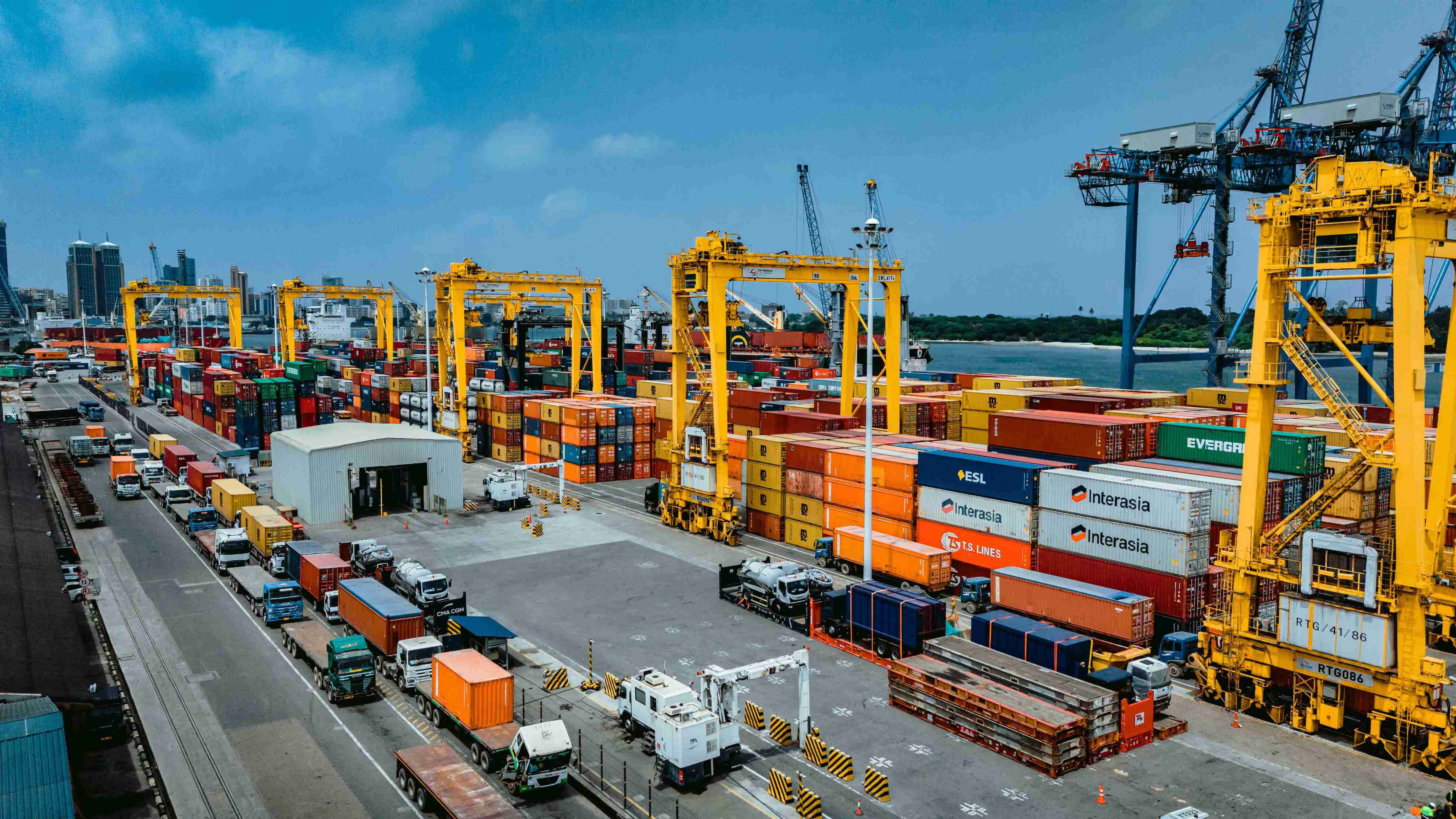
The Port of Dar es Salaam has recorded a sharp increase in cargo volumes, supported by improved terminal operations, investment in modern equipment and growing trade with neighbouring countries.
The growth reflects improvements at Terminal 1, operated by DP World, where investment in infrastructure, cargo-handling equipment and digital technology has increased the terminal's capacity to handle more cargo and serve vessels faster.
Container traffic at the terminal rose by 63 per cent to 418,826 twenty-foot equivalent units (TEUs), up from 256,328 TEUs during the corresponding reporting period. The increase points to both improved handling capacity and rising demand for port services.
The growth follows DP World's investment of US$175 million under a five-year US$250 million commitment to modernize Terminal 1. The funds have been used to upgrade infrastructure, acquire modern cargo-handling equipment and introduce technology to improve terminal operations.
One of the major changes has been the introduction of ship-to-shore operations, which has doubled container-handling productivity. RoRo operations have also improved, recording a 15 per cent increase in productivity.
The improvements have enabled the terminal to handle cargo more quickly, reduce vessel turnaround times and ease congestion that previously affected operations. The number of ships waiting to berth declined from 35 in April 2024 to 17 in April 2026, indicating an improvement in the port's ability to receive and handle vessels.
DP World has also redeveloped seven cargo and material-handling yards covering approximately 90,000 square metres. The additional space has increased the terminal's capacity to store and handle cargo, while supporting better organization of goods within the facility.
The modernization programme also includes digital systems to improve cargo processing and security. These include automated gates, remote tally systems, handheld devices, CCTV surveillance, access controls and digital yard-management solutions.
The improvements come at a time when demand for the port's services is increasing, particularly from neighbouring landlocked countries that rely on Dar es Salaam to move their imports and exports.
Total cargo handled across the port increased from 27.7 million tonnes in the 2024/25 financial year to approximately 33.7 million tonnes in 2025/26, reflecting its growing importance as a gateway for regional trade.
Vehicle traffic has also increased, with RoRo volumes rising to 271,443 units from 175,122 units. The growth reflects increased demand for vehicle imports and the port's role in supplying automotive markets across the region.
Dry bulk and general cargo operations have also benefited from additional storage space, modern handling equipment and improved terminal management, allowing the port to accommodate higher cargo volumes.
Beyond the terminal, improvements in road, railway and border infrastructure are strengthening connections between Dar es Salaam and inland markets. These links are particularly important for the movement of transit cargo to countries such as the Democratic Republic of Congo, Zambia, Rwanda, Burundi, Uganda and Malawi.
The increasing use of the Dar es Salaam Corridor by regional traders and transporters has contributed to higher cargo volumes, as businesses seek reliable routes for moving goods between international markets and landlocked economies.
The 63 per cent increase in container traffic demonstrates the impact that modern equipment, additional handling capacity and better terminal management can have on port performance.
As cargo volumes continue to grow, maintaining these improvements will depend on ensuring that inland transport infrastructure develops alongside the port's expanding handling capacity. This will be essential to reduce cargo delays, control logistics costs, and strengthen the competitiveness of regional trade corridors.