


























Kenya Seeks Danish Expertise to Modernise Maritime Pilotage
Kenya is exploring a new maritime pilotage model, including helicopter-supported deployment of marine pilots, as the Kenya Ports Authority (KPA) seeks to strengthen navigational safety and prepare its expanding port network for growing vessel traffic.
The proposal, which is being discussed under the Kenya-Denmark Strategic Sector Cooperation (SSC) Programme in Maritime Affairs, signals a shift towards more specialized maritime services as operations extend beyond the traditional Port of Mombasa to Lamu and other emerging maritime locations.
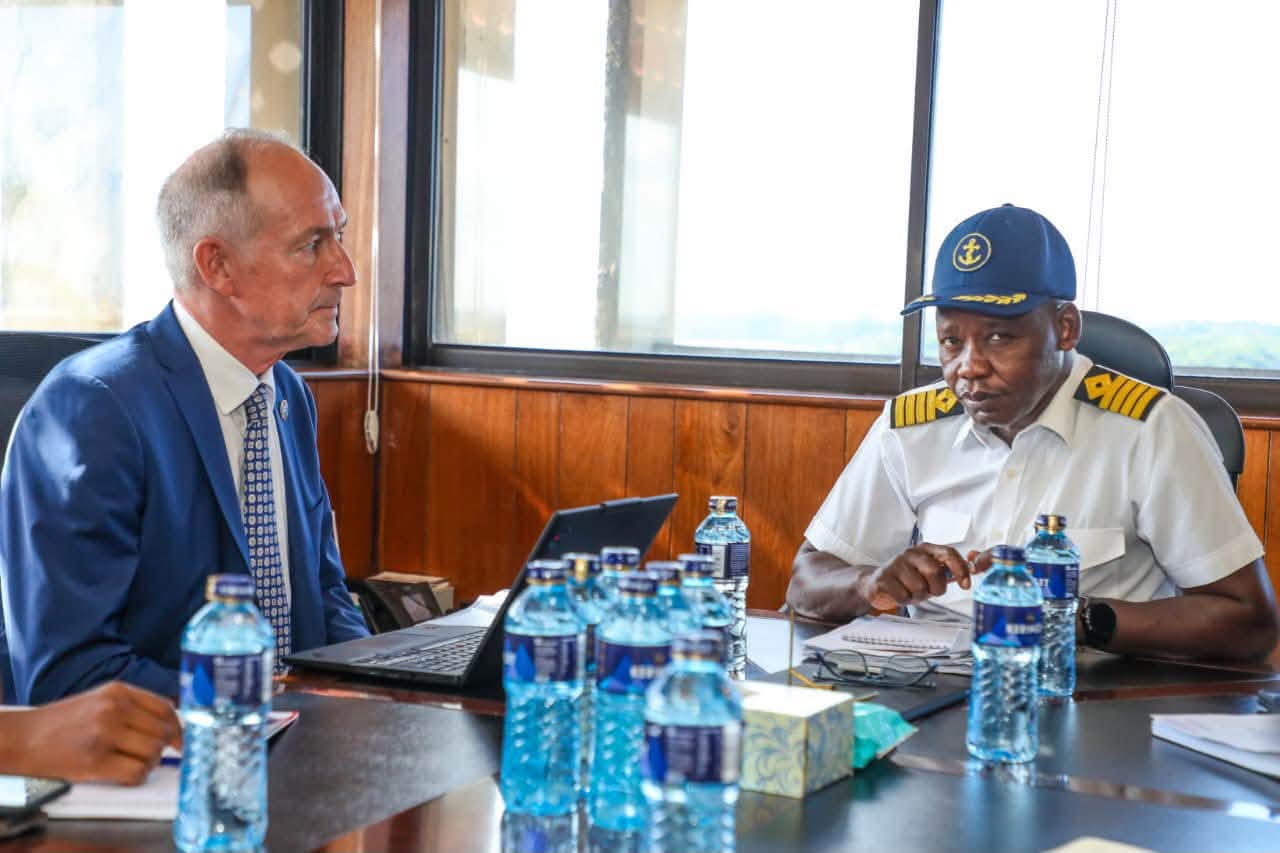
KPA Chief Executive Officer Capt. William Ruto held discussions with representatives of the Royal Danish Embassy on a proposed technical cooperation initiative that will assess the Authority's pilotage requirements, training needs and opportunities to adopt international best practices.
At the centre of the engagement is a proposed fact-finding and needs assessment mission to identify areas of collaboration in marine pilot training, competency development, simulation-based learning and modern pilotage systems.
The discussions come as KPA confronts the operational demands of a growing maritime gateway. The Port of Mombasa handled a record 45.45 million tonnes of cargo in 2025, representing a 10.9 per cent increase from 40.99 million tonnes in 2024. The expansion of port activities, alongside the development of Lamu, is placing greater emphasis on the availability of highly trained pilots capable of navigating increasingly complex waters.
Capt. Ruto described pilotage as one of the most critical services provided by a port, noting that marine pilots are the first operational interface between a vessel and the port.
Their responsibilities extend beyond guiding ships safely through restricted channels and harbour waters to supporting maritime security, environmental protection and the reliability of shipping operations.
"Pilotage has a direct bearing on safety, efficiency and customer confidence. As vessel traffic increases and port operations become more geographically dispersed, we must continuously assess the capabilities required to deliver these services," he said.
One of the emerging considerations is helicopter-supported pilot transfers, which could complement conventional pilot boats by enabling marine pilots to be deployed more efficiently between different port locations.
KPA is considering a helicopter investment estimated at Sh400 million, primarily intended to facilitate the movement of marine pilots between Mombasa and Lamu. The proposed aircraft is also expected to support maritime surveillance, emergency response and search-and-rescue operations.
Capt. Ruto said the Authority was evaluating future pilot deployment requirements in response to expanding operations along the coastline, adding that any new arrangements would be guided by operational needs, international safety standards and efficiency considerations.
The proposed cooperation also places considerable emphasis on developing Kenya's maritime human capital. Under the wider SSC programme, Denmark is supporting efforts to strengthen seafarer training, accelerate implementation of the International Convention on Standards of Training, Certification and Watchkeeping for Seafarers (STCW), and improve coordination mechanisms for international seafaring opportunities.
For Kenya, the partnership offers an opportunity to strengthen local expertise while preparing young people for employment in the international maritime industry.
Jesper Duer Pedersen, Maritime Counsellor at the Royal Danish Embassy, said the engagement reflected the two countries' shared interest in developing safe, efficient and sustainable maritime transport systems.
He noted that strengthening the capabilities of marine pilots was essential as shipping became increasingly sophisticated and ports adopted more advanced operational technologies.
The Danish partnership is expected to provide technical expertise and knowledge exchange to help ensure that navigation systems and services meet domestic and international standards.
Capt. Ruto said KPA remained committed to working with international partners to strengthen maritime governance, improve port efficiency and unlock opportunities across the blue economy.
The proposed assessment could provide the foundation for a structured roadmap to modernise pilotage services, strengthen professional competencies and position Kenya's ports to handle the demands of an increasingly competitive regional maritime economy.