


























Mombasa Maintains Faster Vessel Turnaround as Durban, Beira Face Delays
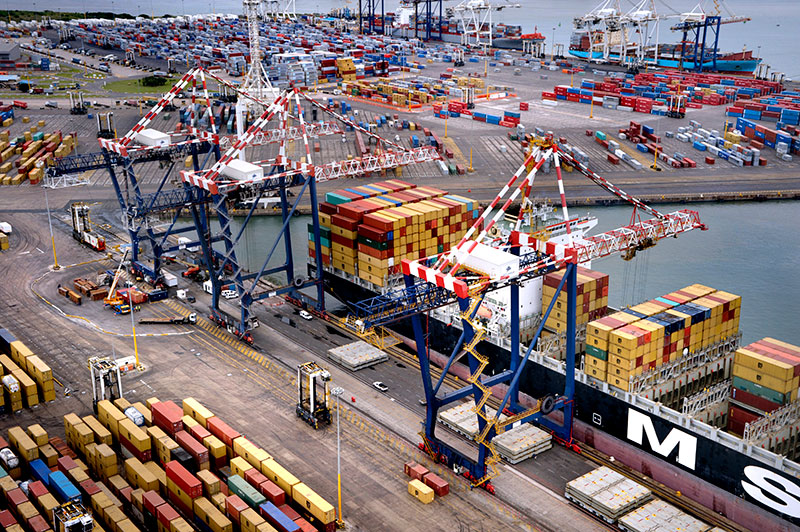
African ports face renewed congestion, with vessels waiting several days to berth at some of the continent's busiest maritime gateways, raising concerns about cargo delivery schedules, shipping costs, and the efficiency of regional supply chains.
Beira Port in Mozambique recorded the longest average vessel waiting time of 9.71 days during the week of October 27 to November 3, 2026, followed by Durban in South Africa at 7.54 days and Conakry in Guinea at 7.38 days, according to the latest Kuehne+Nagel operational report.
The figures highlight ongoing operational challenges facing African ports, as growing cargo volumes, vessel bunching, adverse weather, and infrastructure constraints strain terminal capacity.
Tema Port in Ghana also experienced significant delays, with vessels waiting an average of 6.77 days, while Apapa Port in Nigeria recorded 4.67 days. Pointe-Noire in the Republic of Congo had an average waiting time of 3.77 days, followed by Abidjan in Côte d'Ivoire at three days and Luanda in Angola at 2.75 days.
Mombasa Port in Kenya recorded the shortest waiting time among the nine ports covered, at an average of 1.67 days, indicating comparatively better vessel turnaround performance during the reporting period.
Durban's situation was particularly concerning, with 40 vessels waiting outside the port as of the late evening of November 3. The congestion has been attributed to vessel bunching, high container-yard utilization, peak-season import volumes and equipment-related problems, which have combined to slow down cargo handling and vessel turnaround.
Durban is one of Africa's most important maritime gateways, handling 77.55 million tonnes of cargo and 2.73 million TEUs in 2025. Its operational difficulties therefore have implications beyond South Africa, particularly for regional economies and land-linked countries that depend on its infrastructure for international trade.
Beira, despite handling considerably smaller volumes, is experiencing even longer vessel delays. The port processed approximately eight million tonnes of cargo and 300,000 TEUs in 2025, serving Mozambique and neighbouring hinterland markets.
Its current congestion has been linked to adverse weather conditions and the ongoing recovery of terminal operations, highlighting the vulnerability of regional gateways to disruptions that can quickly affect cargo movement.
The situation is particularly important for land-linked countries such as Zimbabwe, Zambia and Malawi, which depend on efficient port operations and reliable inland transport connections to access international markets.
Meanwhile, Mombasa's relatively shorter waiting time offers a positive indication of its vessel-handling performance. The Kenyan port handled a record 45.45 million tonnes of cargo and approximately 2.1 million TEUs in 2025, reflecting its growing importance as a gateway for East and Central African trade.
Its performance is particularly relevant to land-linked countries including Uganda, Rwanda, South Sudan, Burundi and the Democratic Republic of Congo, which rely on the Northern Corridor to move imports and exports.
However, the differences in waiting times across the ports should be considered alongside their varying cargo volumes, vessel calls, terminal capacities and operational conditions. A shorter waiting time does not necessarily translate into faster overall cargo clearance, which also depends on yard operations, customs procedures and inland transport efficiency.
The latest congestion figures reinforce the need for African port authorities and maritime stakeholders to strengthen operational coordination, invest in modern cargo-handling equipment, improve vessel scheduling and expand terminal capacity in response to changing trade patterns.
There is also a growing need for better coordination between ports, shipping lines, freight forwarders, customs administrations and inland transport operators to minimize disruptions across the entire logistics chain.
As African economies pursue deeper regional integration under the African Continental Free Trade Area, the efficiency of maritime gateways will remain central to reducing trade costs and improving the competitiveness of regional supply chains.
The latest vessel waiting times provide a reminder that increasing port throughput must be matched by investments in operational efficiency, infrastructure, and resilience to ensure that Africa's maritime gateways can accommodate growing trade without imposing additional costs on businesses and consumers.