


























Decarbonizing Road Freight Becomes Critical to Africa's Green Shipping Transition
The transition towards greener maritime transport in Africa is increasingly extending beyond seaports and shipping vessels to the inland transport networks that move cargo between maritime gateways and regional markets.
As countries pursue lower-carbon logistics systems, improving the fuel efficiency and environmental performance of road freight is emerging as an important part of the continent's broader green shipping agenda.
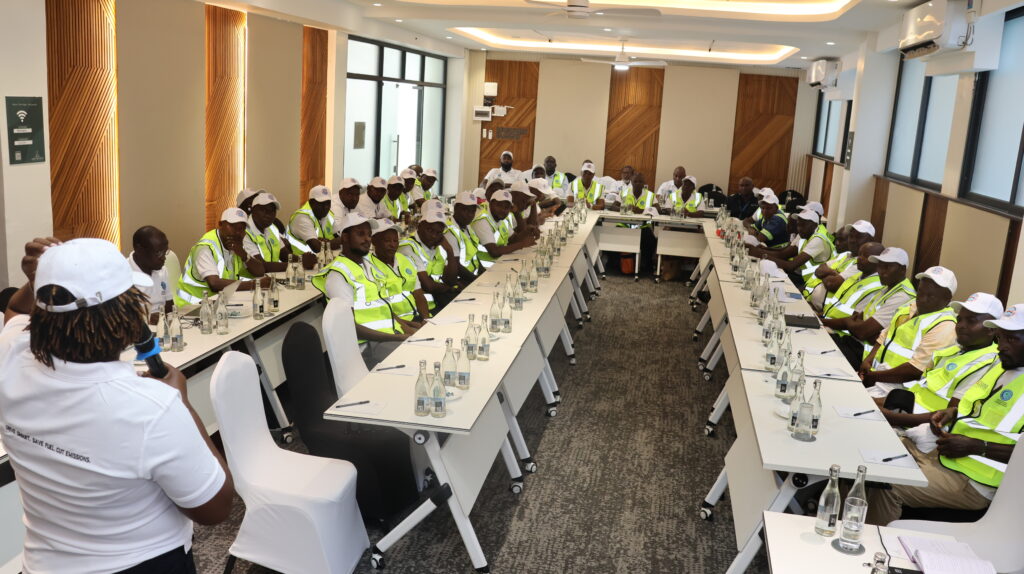
This shift was highlighted by a four-day capacity-building programme held in Mombasa late last month, targeting transport managers and Heavy Commercial Vehicle (HCV) drivers along the Northern Corridor.
Organized by the Northern Corridor Transit and Transport Coordination Authority (NCTTCA) in partnership with the Kenya Transporters Association (KTA), Kuehne Climate Center and Smart Freight Centre, the programme focused on fuel efficiency, road safety and environmentally sustainable freight operations.
The initiative reflects a growing recognition that the decarbonization of maritime transport cannot be achieved through improvements in shipping operations alone. While the industry is investing in cleaner fuels, energy-efficient vessels, modern port infrastructure and low-carbon technologies, the environmental performance of the wider supply chain also depends on how efficiently cargo moves between ports and inland destinations.
The Mombasa programme therefore addresses an important dimension of the green shipping transition by strengthening the capacity of those responsible for managing freight fleets and operating commercial vehicles.
The training forms part of the implementation of the Northern Corridor Green Freight Strategy 2030 (NCGFS 2030), which targets a 10 per cent improvement in freight fuel efficiency, a 10 per cent reduction in carbon dioxide (CO₂) emissions intensity and a 12 per cent reduction in harmful air pollutant emissions by 2030.
Achieving these targets requires more than introducing new technologies. It also depends on changing operational practices, improving fleet management and building the capacity of transport companies to monitor and manage their environmental performance.
During the programme, transport managers examined practical approaches to improving vehicle utilization, optimizing fuel consumption, reducing operating expenses and integrating sustainability considerations into fleet management decisions.
Particular attention was given to establishing systems for monitoring fuel consumption and emissions, incorporating eco-driving into driver induction programmes and providing regular refresher training.
These interventions are significant for transport operators facing rising operating costs, increasing competition and growing expectations from international supply chains for environmentally responsible logistics services.
While transport managers determine fleet policies and operational strategies, drivers have a direct influence on how efficiently vehicles consume fuel and perform on the road.
The programme therefore combined management-level training with practical instruction for HCV drivers, equipping them with skills to translate sustainability objectives into everyday driving practices.
The training covered fuel-efficient driving, defensive driving, traffic anticipation, effective transit-time management and vehicle performance optimization. By combining technical knowledge with practical driving skills, the initiative seeks to improve vehicle performance, enhance road safety and reduce emissions across freight operations.
The Northern Corridor provides a strategic example of why inland freight efficiency matters to Africa's maritime future. Through the Port of Mombasa, the corridor serves Kenya and neighbouring land-linked economies, including Uganda, Rwanda, Burundi, eastern Democratic Republic of Congo and South Sudan.
Improving the environmental performance of trucks operating along this network has implications beyond individual transport companies. It contributes to the sustainability of the entire logistics chain connecting the Indian Ocean to inland regional markets.
This also reinforces the need for closer cooperation between port authorities, shipping lines, freight forwarders, transporters and corridor management institutions. Green shipping requires an integrated approach in which efficient vessels and port operations are complemented by cleaner cargo evacuation systems and more sustainable inland transport.
The experience offers lessons for other transport corridors across the Eastern, Southern and Northern Africa (ESNA) region, where road, rail and maritime networks are increasingly interconnected through regional trade.
As African countries strengthen maritime cooperation and pursue more competitive logistics systems, reducing emissions across the entire cargo movement chain will become increasingly important.
The priority is to develop transport networks that support trade expansion without proportionately increasing fuel consumption, pollution and greenhouse gas emissions.