


























Land-linked, Not Left Out: Four Countries Find New Maritime Platform in MOESNA
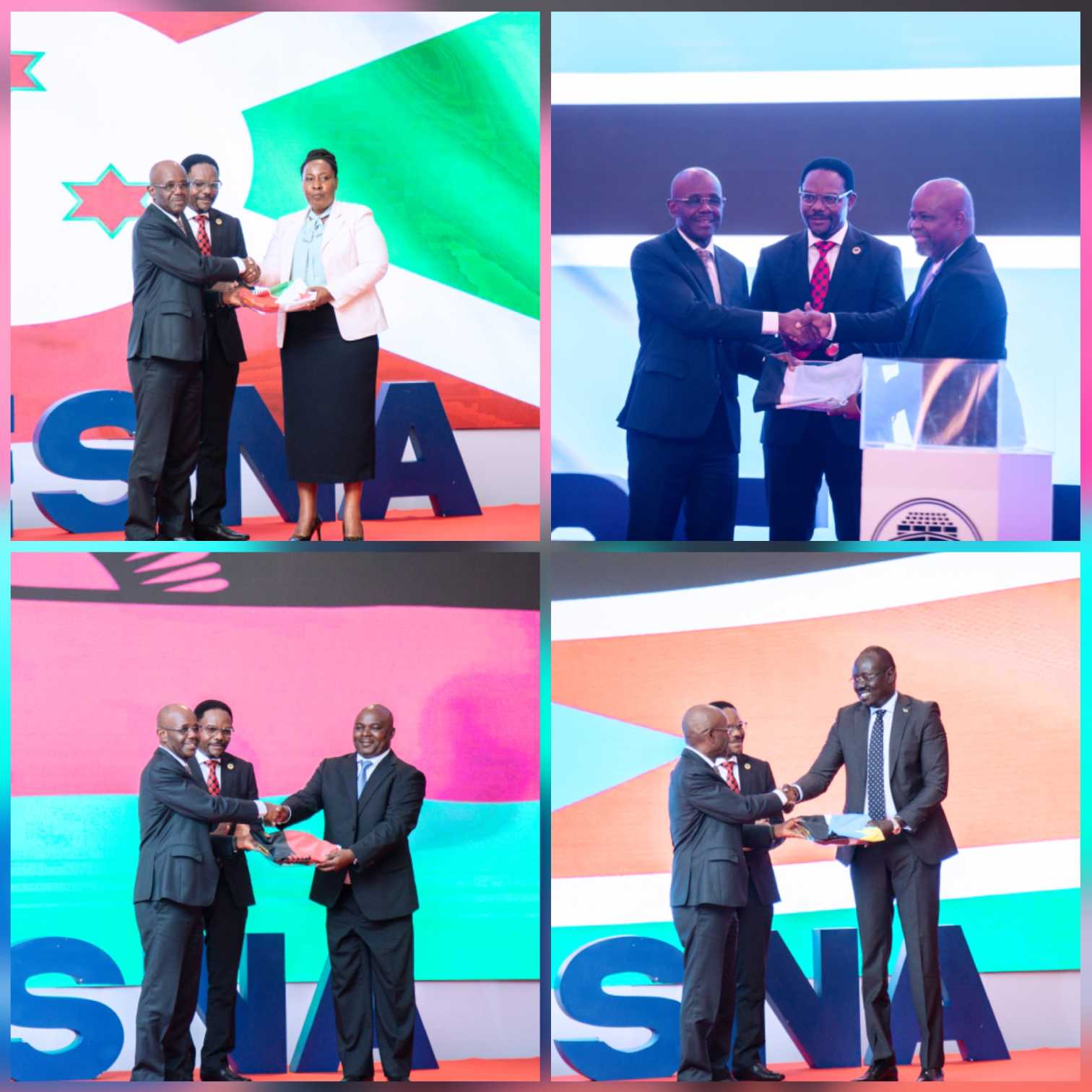
Botswana, Burundi, Malawi and South Sudan face high logistics costs, unreliable transport corridors, infrastructure gaps and dependence on neighbouring countries' seaports. Their admission into MOESNA offers an opportunity to strengthen regional shipping cooperation, develop inland maritime transport and improve access to international markets.
The admission of Botswana, Burundi, Malawi and South Sudan into the Maritime Organization for Eastern, Southern and Northern Africa (MOESNA) marks an important step towards building an integrated regional maritime economy.
The four countries were officially admitted to the organization during its 10th Assembly of Ministers held in Dar es Salaam, Tanzania, on October 15, 2026, expanding its engagement with land-linked economies whose international trade depends on neighbouring seaports, inland waterways, railways, dry ports and regional transport corridors.
Despite their different geographical and economic circumstances, they face common challenges, including high transport costs, lengthy cargo transit times, inadequate infrastructure, border delays, limited competition among transport providers and dependence on foreign maritime gateways.
For these countries, international shipping involves more than accessing a seaport. It requires efficient movement of cargo from production centres to inland terminals, crossing several national borders and securing competitive, predictable connections to international markets.
MOESNA's expansion provides an institutional platform for addressing these constraints through regional cooperation. Its Regional Maritime Cabotage Protocol, proposed Regional Shipping Line, Coxswain Curriculum and Maritime University for Eastern, Southern and Northern Africa (MUESNA) offer opportunities to strengthen maritime capacity and connect coastal gateways with inland economies.
Botswana: High Logistics Costs and Dependence on Foreign Seaports
Botswana's international transport challenges are largely defined by its land-linked position and dependence on neighbouring countries for access to maritime gateways.
The country relies on Walvis Bay in Namibia, Durban in South Africa, and Maputo and Beira in Mozambique. Cargo moves through interconnected road and railway corridors, exposing supply chains to foreign port operations, border procedures, transit costs, railway capacity limitations and differences in customs regulations.
The Trans-Kalahari Corridor, connecting Walvis Bay through Namibia and Botswana to South Africa, provides an alternative to traditional routes through Durban. However, its effectiveness depends on coordinated border operations, competitive transport services and reliable infrastructure across participating countries.
Botswana has invested in multi-modal logistics infrastructure through Botswana Railways, which operates three container terminals: Gaborone Container Terminal (GABCON), Francistown Container Terminal (FRANCON) and Palapye Container Terminal (PALCON).
It also has a strategic logistics presence at Walvis Bay through Sea Rail Botswana, a wholly owned Botswana Railways subsidiary. Its facilities include container and vehicle handling and warehousing, supported by a 36,200-square-metre bonded facility with potential warehousing capacity of approximately 80,000 tonnes.
Despite these investments, Botswana remains exposed to the cost and efficiency of foreign port operations and regional transit arrangements. Its priority is to secure predictable access to maritime gateways, improve cargo consolidation and strengthen competition among transport providers.
MOESNA membership provides an opportunity to participate in regional discussions on shipping services and maritime connectivity. The proposed Regional Shipping Line could improve coordination between shipping operators and inland cargo distribution networks, while the Cabotage Protocol offers a framework for strengthening African shipping capacity.
Botswana's dry-port experience can contribute practical lessons on connecting inland terminals, railways, shipping companies and regional ports. It can also benefit from MUESNA through specialized training in shipping administration, multi-modal logistics, railway operations, port management and supply-chain coordination.
Botswana was recommended to host the first Spoke of the proposed university, whose main Hub is planned for Tanzania. This presents an opportunity to develop regional expertise in inland logistics and maritime administration.
For MOESNA, Botswana brings valuable dry-port and multi-modal transport experience that can inform the development of efficient logistics networks for other land-linked members.
Burundi: High Transit Dependence and Underdeveloped Lake Transport
Burundi's international transport system faces geographical constraints, high transit costs, limited infrastructure and dependence on neighbouring countries for access to seaports.
The country relies heavily on the Central Corridor through Tanzania, with cargo moving by road from Dar es Salaam. The Northern Corridor through Mombasa and Uganda provides an alternative, although multiple transit countries increase the importance of efficient customs procedures, border coordination and reliable infrastructure.
Long transit distances, road transport costs and border delays increase the landed cost of imports and undermine export competitiveness.
Lake Tanganyika, however, offers an opportunity to diversify Burundi's transport system. The lake connects the country with Tanzania, Zambia and the Democratic Republic of Congo (DRC), creating potential for cargo movement across the Great Lakes region.
The Port of Bujumbura is the country's principal inland maritime gateway, while Rumonge provides another important facility along the lake's eastern shoreline. Bujumbura Port has an estimated design capacity of 500,000 tonnes annually. Together, the facilities provide a foundation for regional lake transport connections with Kigoma in Tanzania, Mpulungu in Zambia and Kalemie in the DRC.
However, inadequate infrastructure, limited vessel availability, maintenance requirements, navigational safety concerns and insufficient investment in modern cargo-handling facilities continue to restrict the lake's commercial potential.
The government is pursuing the modernization of Bujumbura Port through an African Development Bank and European Union-supported programme. Works include a 545-metre protective dike, dredging, rehabilitation of cargo berths, passenger and roll-on/roll-off facilities, a marine dock and 11.7 kilometres of access roads.
The benefits will depend on reliable vessels, efficient port operations and stronger commercial connections with neighbouring countries.
MOESNA membership provides Burundi with opportunities for regional technical cooperation and harmonization of maritime standards. The Coxswain Curriculum can develop qualified personnel for lake cargo vessels, passenger craft and other commercial operations, improving safety and service reliability.
MUESNA can support specialized training in marine engineering, navigation, vessel maintenance, port management and maritime safety. The proposed Regional Shipping Line could improve coordination between international shipping services and inland distribution networks, while the Cabotage Protocol provides a platform for strengthening African shipping cooperation.
Burundi also extends MOESNA's reach into the Great Lakes region, creating opportunities to integrate Lake Tanganyika into a wider regional maritime transport network.
Malawi: Inefficient Corridors and Underutilized Railways and Waterways
Malawi's international transport challenges stem from dependence on foreign seaports, inadequate infrastructure and limited utilization of alternative transport modes.
The country relies on four principal maritime corridors through Nacala and Beira in Mozambique, Dar es Salaam in Tanzania and Durban in South Africa. This exposes importers and exporters to foreign port charges, transport costs, border delays and infrastructure constraints.
Road transport accounts for approximately 90 per cent of international cargo movement, placing pressure on the road network and increasing logistics costs, particularly for long-distance shipments of agricultural commodities, fuel, fertilizers, machinery and manufactured goods.
Malawi has approximately 933 kilometres of railway infrastructure, offering opportunities to reduce dependence on road haulage. However, infrastructure and operational limitations have prevented the railway from competing effectively.
The country is also pursuing dry-port development in Nacala and Beira to improve cargo storage, customs coordination and distribution between maritime gateways and domestic markets.
Another underutilized asset is Lake Malawi, which stretches approximately 587 kilometres and supports passenger transport, cargo movement, fishing and tourism. Its principal transport facilities include Monkey Bay, Chipoka, Nkhata Bay and Chilumba.
Ageing vessels, inadequate port infrastructure, limited cargo-handling equipment and insufficient investment have restricted the lake's contribution to national and regional logistics. The ageing MV Ilala, which has operated on the lake since 1951, illustrates the challenges facing the inland shipping sector.
The government is pursuing revitalization through a September 2026 investment agreement with Hongtai Investment Group involving an initial US$20 million commitment towards lake transport development, including new vessels and modernization of Monkey Bay shipyard and port infrastructure.
For Malawi, the priority is to integrate maritime gateways, railways, inland waterways and road corridors into an efficient transport system.
MOESNA can support this through stronger regional shipping cooperation. The proposed Regional Shipping Line could improve coordination between shipping operators and maritime gateways serving Malawi, while the Cabotage Protocol provides a broader framework for strengthening African shipping participation.
The Coxswain Curriculum is particularly relevant for developing qualified operators of lake vessels, passenger craft, cargo boats and other inland maritime services. Malawi's Marine Training College at Monkey Bay provides an institutional foundation for practical training.
MUESNA can complement this through specialized programmes in marine engineering, navigation, vessel maintenance, maritime safety and multi-modal transport.
Malawi also brings valuable experience in inland water transport and the integration of lake, railway and road networks, strengthening MOESNA's engagement with Southern African logistics systems.
South Sudan: Insecurity, Poor Roads and Limited Transport Alternatives
South Sudan faces some of the most challenging international transport conditions among the four new members. Its landlocked position, underdeveloped infrastructure, insecurity, seasonal flooding and dependence on neighbouring countries complicate cargo movement.
Mombasa has traditionally served as its principal maritime gateway, with industry estimates reported in February 2026 indicating that approximately 80 per cent of import cargo passed through the Kenyan port.
The Northern Corridor connects Mombasa to South Sudan through Kenya and Uganda, passing through Nairobi, Malaba, Kampala and the Elegu-Nimule border crossing before reaching Juba.
Long distances, multiple border crossings and dependence on road transport contribute to high logistics costs and lengthy delivery times. Insecurity along transport routes further disrupts cargo movement, increases insurance and security costs and undermines supply-chain reliability.
South Sudan is seeking to diversify access to international shipping through Tanzania, particularly Dar es Salaam and Tanga. Arrangements between the South Sudan Revenue Authority (SSRA) and Tanzania Revenue Authority (TRA) in 2026 included plans for designated cargo-handling facilities, customs cooperation and integration of electronic revenue systems.
Domestic infrastructure remains a major constraint. A World Bank assessment published in 2025 indicated that road transport accounts for more than 95 per cent of cargo and passenger movements. Seasonal rains frequently render roads impassable, disrupting supply chains and increasing transport costs.
Yet South Sudan has an extensive inland water transport network that could provide an alternative. The White Nile and its tributaries offer approximately 1,360 kilometres of navigable waterways, connecting seven of the country's ten states.
River transport facilities include Juba, Bor, Mongalla, Shambe, Diam Diam, Malakal and Renk.
An IGAD assessment published in March 2025 identified considerable opportunities for expanding inland water transport. It reported that a single barge could carry up to 1,200 tonnes, equivalent to approximately 37 trucks. Interlink, a South Sudanese logistics company, transports an estimated 48,000 metric tonnes annually by river.
These figures demonstrate the potential of river transport to reduce pressure on roads and provide more reliable movement of agricultural produce, fuel, construction materials and humanitarian supplies.
However, insecurity, inadequate river ports, poor navigation infrastructure, limited vessel capacity, insufficient maintenance and inadequate investment continue to constrain commercial operations.
MOESNA membership offers South Sudan an opportunity to strengthen inland maritime transport within a wider regional logistics strategy. The Coxswain Curriculum can develop qualified operators for river vessels, passenger boats, cargo craft and barges.
MUESNA can support training in navigation, marine engineering, vessel maintenance, port management and maritime safety. The proposed Regional Shipping Line can strengthen connections between regional shipping services, port authorities and inland transport operators.
The Cabotage Protocol and MOESNA's regional platform can further support African shipping cooperation, transport facilitation and integration of inland waterways with international shipping routes.
For MOESNA, South Sudan brings access to an important Nile Basin market and demonstrates how inland waterways can complement seaports and international transport corridors.
Beyond Membership: The Need for Integrated Transport Systems
Although MOESNA's programmes offer important opportunities, addressing the four countries' international transport challenges requires a broader, coordinated approach.
Membership alone will not eliminate high freight costs, infrastructure deficiencies or border delays. Benefits will depend on translating regional commitments into practical interventions involving governments, port authorities, shipping companies, railway operators, logistics providers and development partners. Several priorities stand out.
First, stronger coordination with neighbouring seaport authorities is necessary to improve cargo handling, transit procedures, port access and information sharing.
Second, regional customs harmonization and digital cargo tracking should be strengthened to reduce border delays, improve transparency and make cargo movement across international corridors more predictable.
Third, investment in dry ports, inland container depots, railway connections and cargo-handling facilities should be prioritised to reduce dependence on road transport.
Fourth, inland waterways require modern vessels, navigational infrastructure, functional ports, maintenance facilities and trained personnel to become competitive alternatives to road transport.
Finally, MOESNA must ensure that its shipping initiatives incorporate inland economies' interests, particularly when developing regional shipping services and coordinating access to maritime gateways.
The experiences of Botswana, Burundi, Malawi and South Sudan demonstrate that international shipping efficiency depends on the entire transport chain. A competitive seaport cannot deliver its full economic value when cargo faces lengthy border procedures, unreliable railway services, poor roads or inadequate inland terminals.
Similarly, navigable lakes and rivers cannot become effective commercial transport routes without suitable vessels, qualified operators, functional ports and reliable connections to international markets.
For Botswana, the priority is strengthening access to competitive maritime gateways and improving multimodal logistics. For Burundi, it is unlocking Lake Tanganyika and reducing dependence on costly transit arrangements. For Malawi, it is integrating seaports, railways and Lake Malawi into an efficient transport system. For South Sudan, it is developing the Nile as a viable alternative to an overwhelmingly road-dependent logistics network while improving access to regional seaports.
Collectively, the four countries bring new markets, inland waterways, transport corridors, dry-port expertise and investment opportunities into MOESNA.
Ultimately, the success of these initiatives should be measured not only by increased African participation in shipping but also by whether businesses in land-linked countries can move goods to international markets more cheaply, reliably and efficiently.
MOESNA's expansion is therefore more than an increase in membership. It is an opportunity to address the structural transport challenges separating Africa's hinterland economies from global markets and build a regional maritime system in which coastal and land-linked countries share the benefits of integrated shipping, inland waterways and competitive international transport corridors.