


























Importers Face November Deadline on Local Marine Cargo Cover
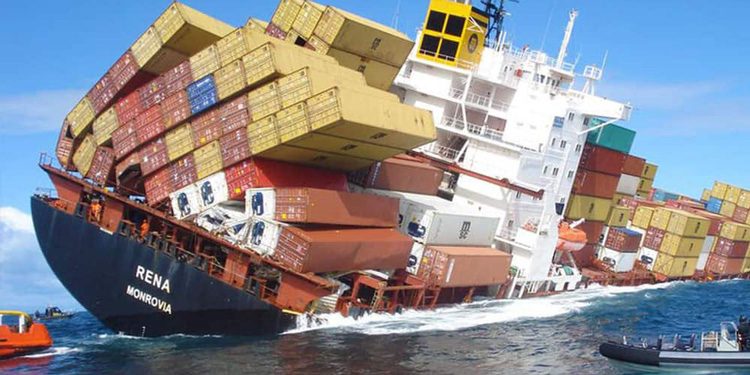
Importers who fail to obtain marine cargo insurance from locally licensed insurers will be blocked from clearing their goods through Kenyan customs beginning November 1, 2026, as the government tightens enforcement of regulations aimed at retaining billions of shillings in insurance premiums within the country.
The directive means that all imported cargo must be covered by a valid Digital Marine Cargo Insurance (MCI) certificate issued by an insurer licensed by the Insurance Regulatory Authority (IRA) before customs declarations can be processed.
Importers and clearing agents will be required to obtain insurance certificates through the Digital Marine Cargo Insurance System and submit them electronically to the Kenya Revenue Authority's Integrated Customs Management System (ICMS).
The November enforcement deadline follows the government's earlier directive requiring importers to obtain digital marine cargo insurance from July 1, 2026, under reforms designed to strengthen the domestic insurance industry and curb premium payments to foreign underwriters.
Industry estimates suggest Kenya loses more than Sh70 billion annually in marine insurance premiums to foreign markets, largely through Cost, Insurance and Freight (CIF) arrangements under which overseas suppliers organize insurance for goods destined for Kenya.
The government hopes to reverse this trend by ensuring that insurance premiums associated with Kenyan imports are retained within the domestic economy.
The requirement is anchored in Section 16A of the Marine Insurance Act, Cap 390, which provides that any person with an insurable interest in marine cargo must obtain insurance cover from an insurer licensed under the Insurance Act, Cap 487.
Section 20(4) of the Insurance Act further makes it an offence to place Kenyan insurance business, directly or indirectly, with an unlicensed insurer without prior written approval from the Commissioner of Insurance.
To enforce these provisions, the National Treasury directed IRA to collaborate with KRA and Safaricom PLC in developing a digital platform integrated with the customs clearance system.
The platform links insurance companies, brokers and agents to IRA's electronic system, the eCitizen payment gateway and KRA's customs management infrastructure.
Under the arrangement, importers must first obtain an active Import Declaration Form (IDF), against which a digital marine cargo insurance certificate will be issued. They can then access online or mobile platforms operated by licensed insurers, brokers or agents to purchase the required insurance cover.
Once the insurance transaction is completed, the digital certificate and confirmation of premium payment through eCitizen will be transmitted electronically to KRA for verification.
The integrated process is expected to strengthen compliance, improve transparency and eliminate opportunities for fraudulent insurance documentation.
However, importers who fail to comply risk cargo clearance delays, additional storage charges and demurrage costs, potentially disrupting supply chains and increasing the cost of doing business.
The directive is particularly significant for manufacturers, traders and businesses importing machinery, industrial raw materials and consumer goods through the Port of Mombasa and other entry points.
Treasury Cabinet Secretary John Mbadi has previously said the reforms are intended to strengthen Kenya's insurance industry by ensuring that revenue generated through international trade benefits local insurers.
"For many years, marine cargo insurance premiums associated with Kenyan imports have largely been ceded to foreign insurers despite the goods being destined for the Kenyan market," Mbadi said during the presentation of the 2026/27 Budget Statement.
The new framework is expected to expand business opportunities for domestic insurance companies, increase premium income and strengthen their capacity to underwrite larger maritime risks.
It could also improve claims settlement by allowing importers to deal directly with insurers operating under Kenyan regulatory supervision.
For IRA, electronic processing will provide greater visibility over marine insurance transactions, strengthening market surveillance, regulatory compliance and consumer protection.
The reforms also align with regional efforts to increase African participation in maritime-related services.
The Maritime Organization for Eastern, Southern and Northern Africa (MOESNA) has advocated for greater retention of revenue from marine insurance, ship agency services and maritime financing within African economies.
The organization maintains that African countries should derive greater economic benefits from international cargo moving through their ports and transport corridors.
With the November 1 deadline approaching, importers and clearing agents face growing pressure to complete insurance arrangements before submitting customs declarations.
The government is banking on the digital platform to enforce compliance while redirecting marine insurance business previously handled abroad to Kenya's insurance market.