


























Ethiopia Turns to China to Strengthen Critical Djibouti Railway Corridor
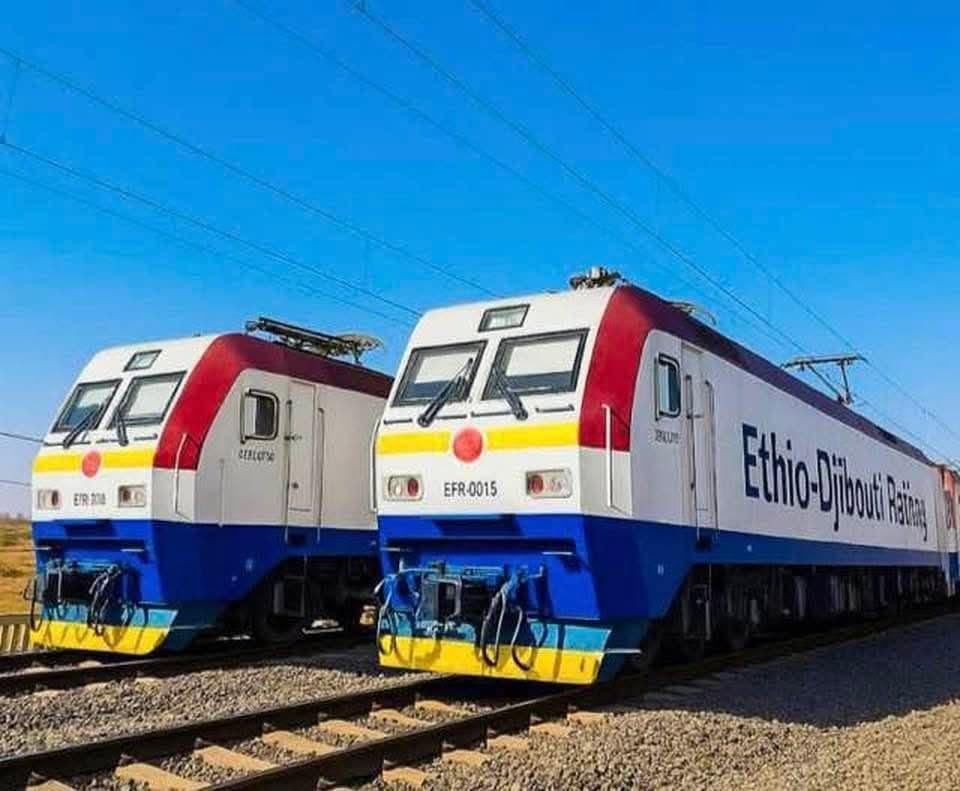
Ethiopia’s reliance on Djibouti for access to international maritime trade has made the reliability of the Ethio-Djibouti Standard Gauge Railway (SGR) increasingly important to the country's economic competitiveness, prompting a fresh investment by China to strengthen the railway's maintenance capacity and operational performance.
The two countries have signed a US$15 million grant agreement to finance supplementary works on the railway, which provides land-linked Ethiopia with its principal rail connection to the Port of Djibouti.
The agreement was signed in Addis Ababa on November 5 by Ethiopian State Minister of Finance Tiguist Fisseha and Chinese Embassy Minister Counsellor Liu Xiaoguang under China's China-Aid programme.
The grant will finance mechanical and electrical spare parts for electric locomotives, specialized track components, station-yard equipment and machinery used for routine track inspections and maintenance.
Chinese technical specialists will also visit Ethiopia to assist with maintenance operations and train local railway personnel, helping to build the technical capacity required to sustain the railway over the long term.
The investment comes against the backdrop of Ethiopia's overwhelming dependence on Djibouti as its maritime gateway. According to figures released by Ethiopia's Ministry of Transport and Logistics, Djibouti handled 17.57 million tonnes of Ethiopian import and export cargo during the 2025/26 financial year.
The railway moved 3.32 million tonnes of cargo during the 2025/26 financial year. Road transport remained the dominant mode, carrying 14.08 million tonnes.
Although road haulage continues to handle the bulk of Ethiopia's freight, the railway's growing volumes demonstrate its increasing importance in moving cargo between the port and the country's inland markets. Freight volumes rose from approximately 2.09 million tonnes in 2023 to about 3.2 million tonnes in 2025, reflecting growing demand for rail-based transport.
The 752-kilometre electrified railway, which commenced commercial operations in January 2018, connects Addis Ababa to Djibouti and provides a faster alternative to road transport.
A journey that can take up to three days by road can be completed in approximately 12 hours by rail, giving importers and exporters a more predictable option for moving goods between the port and Ethiopia's commercial and industrial centres.
With approximately 1,100 freight wagons and a stated annual freight capacity of four million tonnes, the railway has considerable potential to increase its contribution to Ethiopia's logistics system. Its connection to Djibouti's Doraleh Container Terminal and Doraleh Multipurpose Port also facilitates the transfer of cargo between maritime and inland transport networks.
Previous operational challenges have demonstrated how weaknesses in any part of the railway chain can undermine the performance of the entire corridor. In 2023, Ethiopia's Ministry of Transport and Logistics reported that complications and delays at Djibouti, particularly following the introduction of new cargo procedures, contributed to the railway falling short of its freight transportation targets.
A subsequent report indicated that the railway transported only about three-quarters of its targeted cargo during a six-month reporting period. The experience highlighted the importance of synchronising port handling, customs procedures, cargo clearance and railway operations if the line is to compete effectively with road transport.
The latest Chinese grant therefore addresses a critical operational requirement. The availability of specialised spare parts and maintenance equipment should help reduce the risk of prolonged locomotive and infrastructure failures, while technical training will enable Ethiopian personnel to undertake more maintenance work locally.
Ethiopia has also been exploring alternative maritime access routes, including Berbera in Somaliland, Tadjourah in Djibouti and the Mombasa corridor through Kenya, as part of efforts to diversify its access to international markets.
These initiatives reflect the country's recognition that depending overwhelmingly on one maritime gateway presents strategic and logistical risks. Nevertheless, Djibouti's dominance in Ethiopia's maritime trade means that alternative corridors will take time and substantial investment to develop into comparable freight routes.
For now, improving the performance of the Ethio-Djibouti railway remains one of the most immediate ways of strengthening the country's access to international shipping networks.
For the wider Eastern, Southern and Northern Africa region, the railway also demonstrates the importance of integrating seaports, railways and inland transport corridors to support land-linked economies.