


























Ethiopia Approves Galaan Inland Port to Ease Cargo Movement
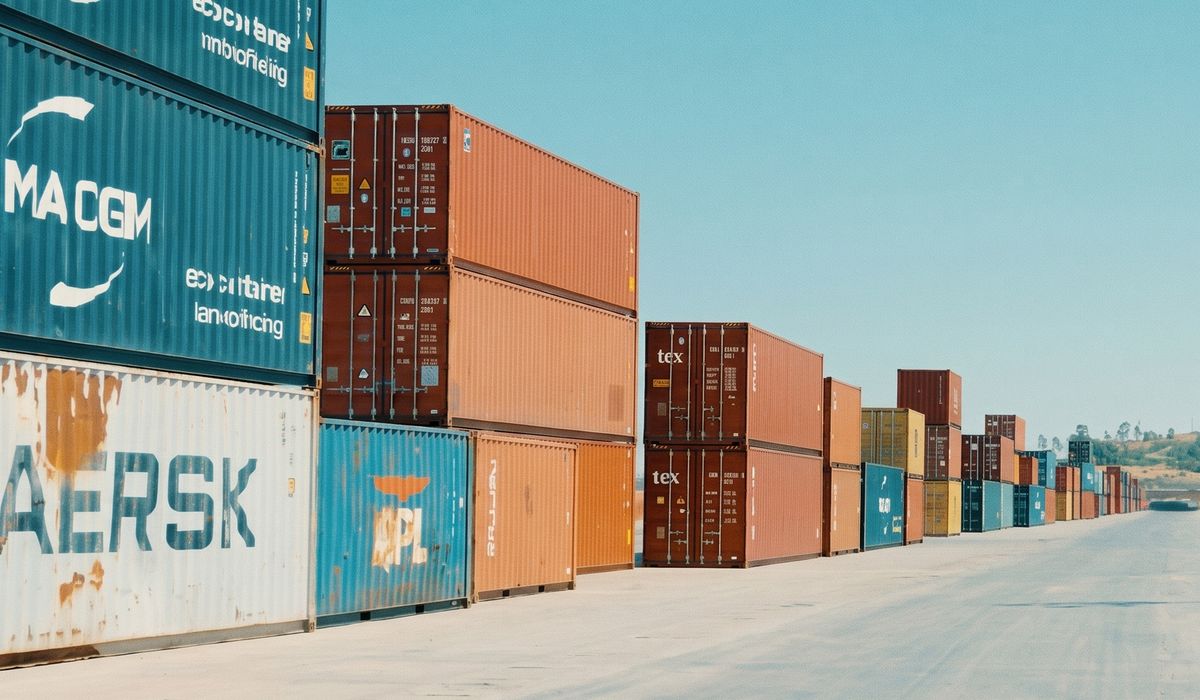
Ethiopia is accelerating efforts to overhaul its logistics and transport systems, with a series of infrastructure investments, regulatory reforms and digital initiatives aimed at reducing cargo delays, lowering trade costs and strengthening its position as a regional commercial gateway.
At the centre of the latest developments is the approval of Galaan Multipurpose Port, near Addis Ababa, as a multi-modal logistics hub, allowing international cargo arriving through Djibouti to move by rail directly to the inland facility for customs clearance, storage and onward distribution by road.
The decision, jointly approved by the Ministry of Transport and Logistics, Ethiopian Maritime Authority and Ethiopian Customs Commission, marks an important development in Ethiopia's efforts to diversify cargo-handling facilities and reduce pressure on its established inland logistics network.
Previously known as Indode Multipurpose Port, Galaan can now be designated as the final destination for liner cargo transported from the Port of Djibouti by rail under a single through bill of lading.
This arrangement allows shipping lines and multi-modal transport operators to organize cargo movement from the maritime gateway to the inland terminal under an integrated transport contract, reducing documentation requirements and multiple handling arrangements.
For importers, the development could significantly simplify the movement of machinery, industrial inputs, consumer goods and other merchandise destined for Addis Ababa and surrounding manufacturing centres.
Customs clearance at Galaan is also expected to reduce unnecessary cargo transfers and ease congestion at existing facilities, particularly Modjo, which has traditionally handled a substantial proportion of Ethiopia's containerized imports.
The approval comes as Ethiopia seeks to strengthen its railway network and improve the efficiency of the strategic Ethio-Djibouti corridor.
The Port of Djibouti handled approximately 17.57 million tonnes of Ethiopian import and export cargo during the 2025/26 financial year, representing 96.7 per cent of the country's maritime trade. This concentration underlines the importance of improving inland connections between the port and Ethiopia's domestic markets.
Ethiopian Shipping and Logistics and the Ethio-Djibouti Railway have introduced digital platforms covering cargo booking, tracking, payments and documentation. The railway has also introduced mandatory digital cargo bookings and, on November 23, 2026, began requiring stakeholders to submit official correspondence through its online tracking system.
These measures are intended to improve transparency, reduce administrative delays, and provide customers with better visibility of cargo and service requests.
Another significant development is the opening of the freight forwarding sector to foreign investors. Following an Ethiopian Investment Board decision in May 2026, international companies can participate without the previous requirement to restrict foreign ownership to 49 per cent in joint ventures with local partners.
The reform creates opportunities for international logistics operators, warehouse developers, cold-chain providers and technology companies to enter a market seeking modern supply chain solutions.
As Ethiopia advances its logistics transformation, the developments carry wider implications for regional trade integration, the African Continental Free Trade Area and the competitiveness of supply chains across Eastern Africa.